Product
Joey
What
Custom resume generator built on your career knowledge graph
Problem
Tailoring a resume for every job takes too long
Outcome
30 min → 10 min per application
Live


Product manager · Mediocre cyclist ·
Building with AI
I just really like to build things that solve people's problems and make them happy. At Mitie I did this by shadowing and embedding myself into the worlds of the operators that I was building the products for. For myself, I do this by building products and automations that solve challenges I'm having.
Besides building, I spend far too much time riding my bike. Biking has helped me build amazing communities across the world and lets me challenge myself to see where my limits are. Check out the challenges I've done below.
What each thing is, and the problem it solves
Product
What
Custom resume generator built on your career knowledge graph
Problem
Tailoring a resume for every job takes too long
Outcome
30 min → 10 min per application
Product
What
Adaptive sales playbook for sales teams
Problem
Playbooks go stale the week they're published and no one knows exactly how the best rep keeps selling
Outcome
15+ design partners
40% token cut, found through a full eval build
AI workflow
What
One context engine for everything I work on: AI research, my career history, books and notes, and every product spec and plan
Problem
Every time a better model or harness came out, I had to seed my context from scratch
Outcome
66 links between my AI research and Joey's build docs
5,100+ notes in one vault
AI workflow
What
An AI coach using my ride and qualitative data to rehab me back from injury
Problem
Strava ride data was a tiny piece of the puzzle. I needed my qualitative injury feel data and leading ITB rehab research all analyzed together
Outcome
416h of training analyzed YTD
Automation
Because I don't want to be locked in to one AI lab.
What
Scheduled GitHub jobs with scripts and LLM API calls that monitor the health of my second brain system and make sure it is clean and current (since the AI world moves so fast)
Problem
Harness automation features (like Codex/Cursor) lock you in, and paying these labs to do deterministic work wastes money
Outcome
~$0.50 a month in LLM costs
9 jobs running
Open slot
What
Got a problem you want solved?
Problem
Tell me about it. I like to try new things.
Full-stack products, from discovery to production
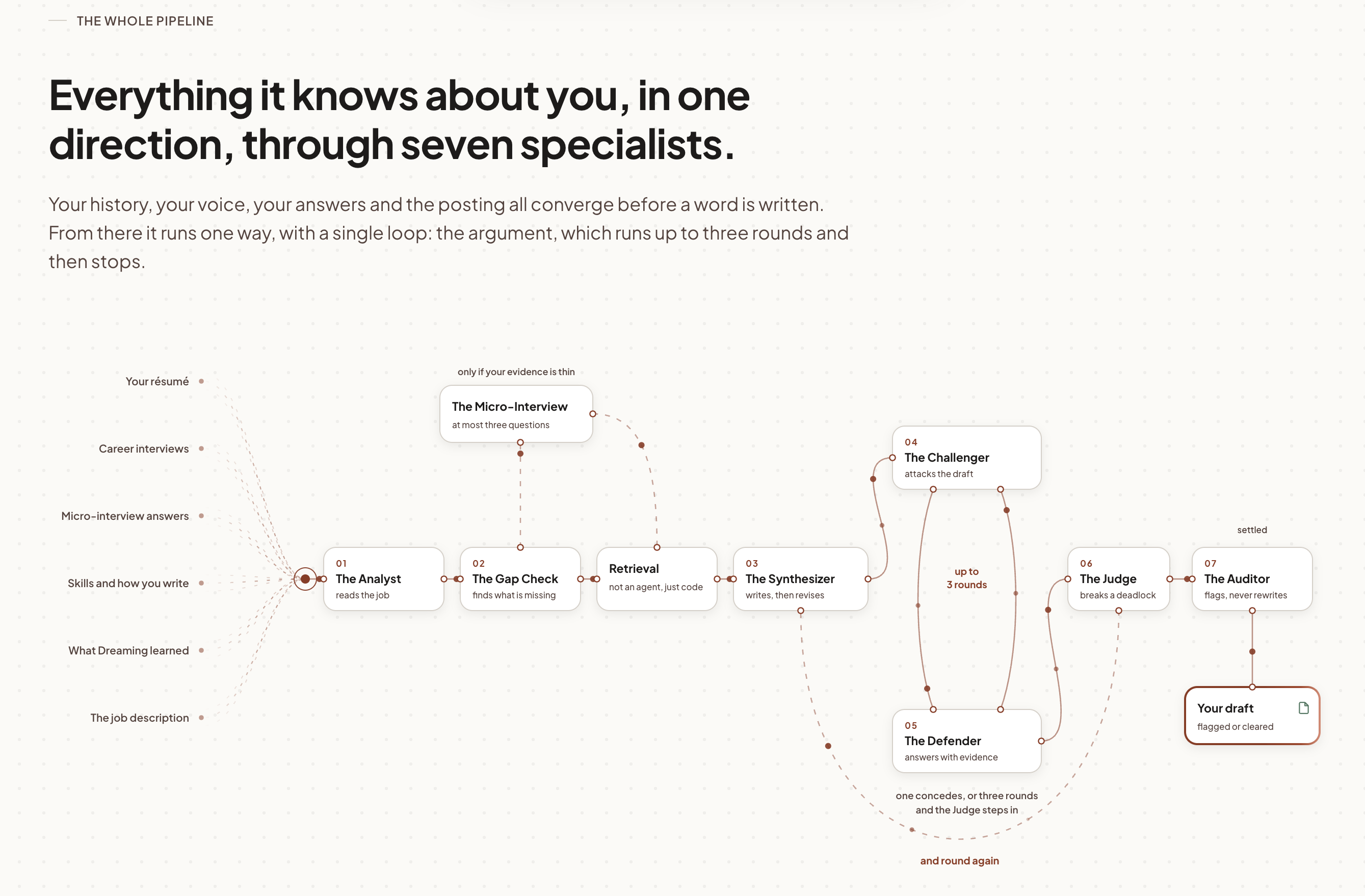
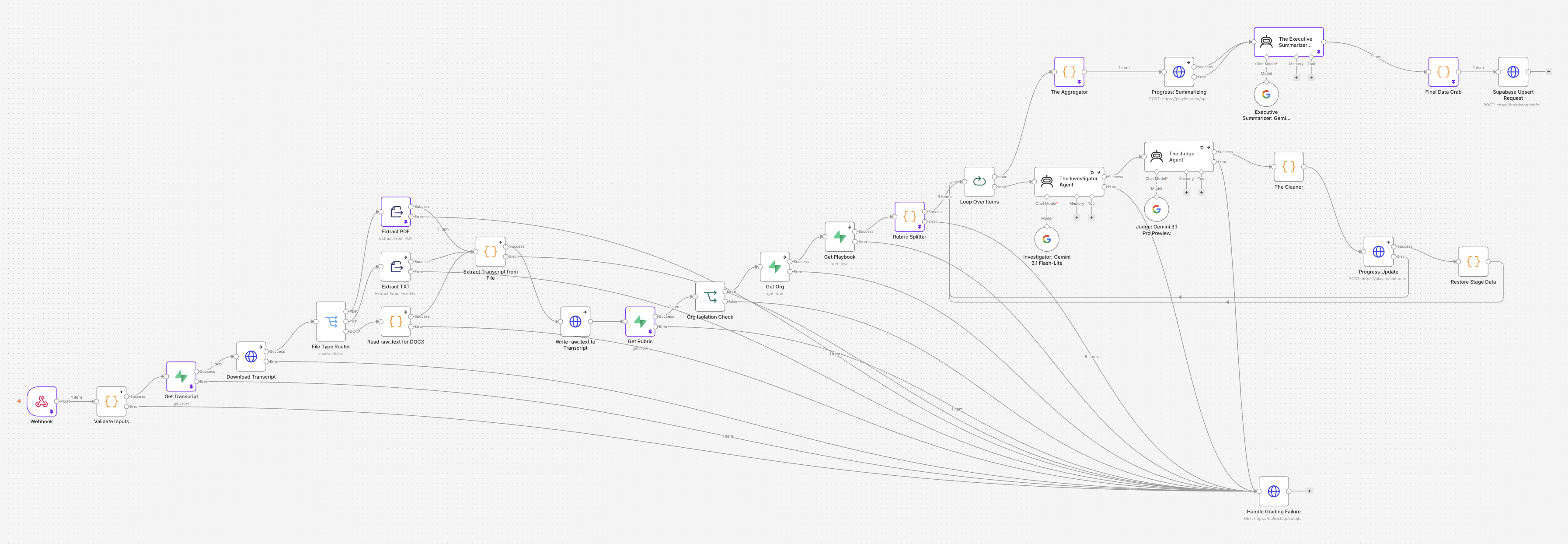
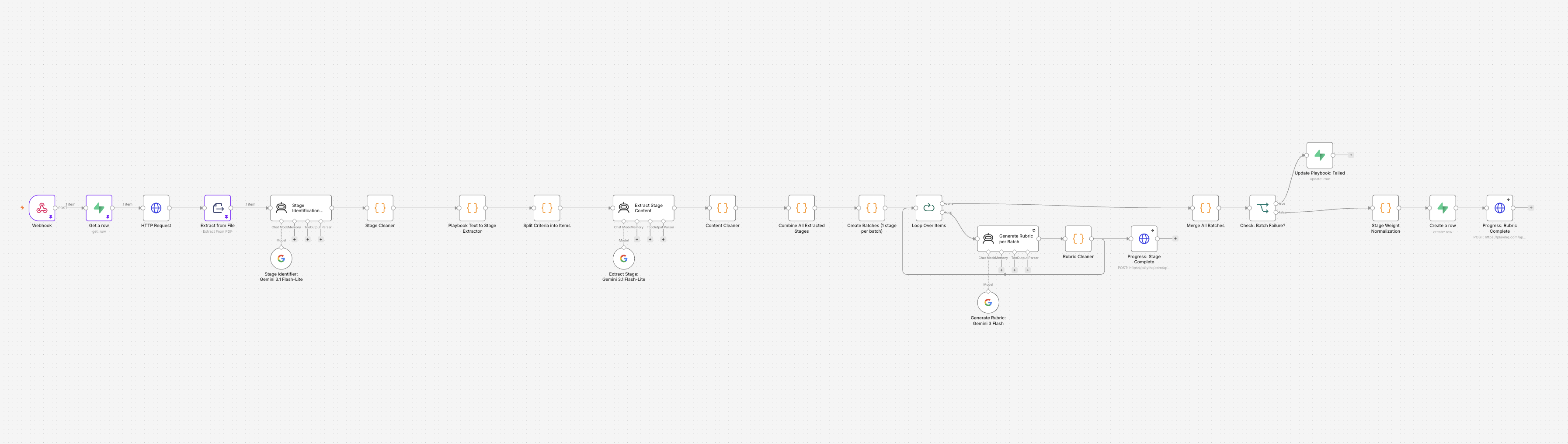
![7-agent Adversarial Pipeline [Part 1]](/joey-1.png)
![7-agent Adversarial Pipeline [Part 2]](/joey-2.png)
Custom Resume Generator
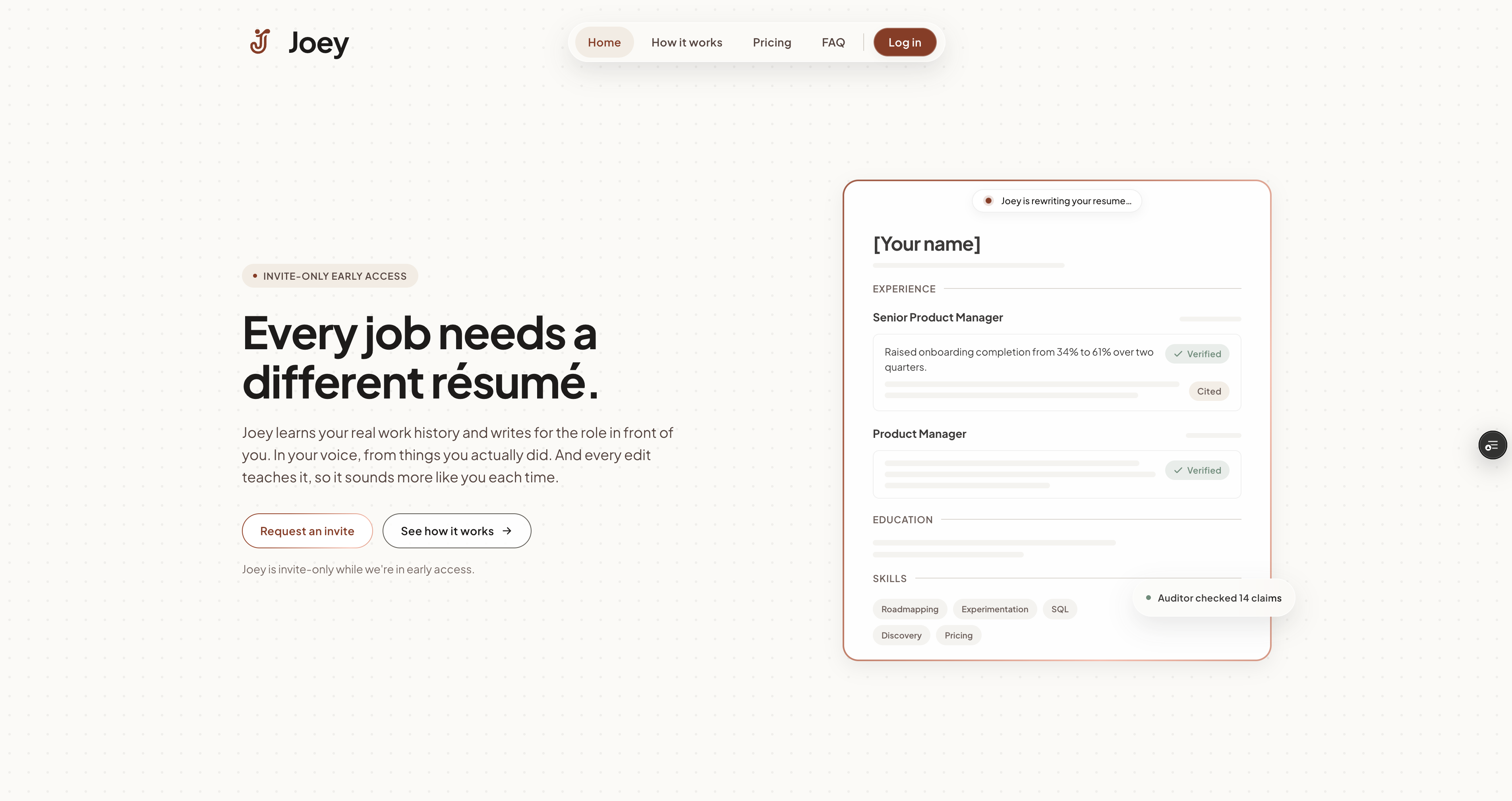
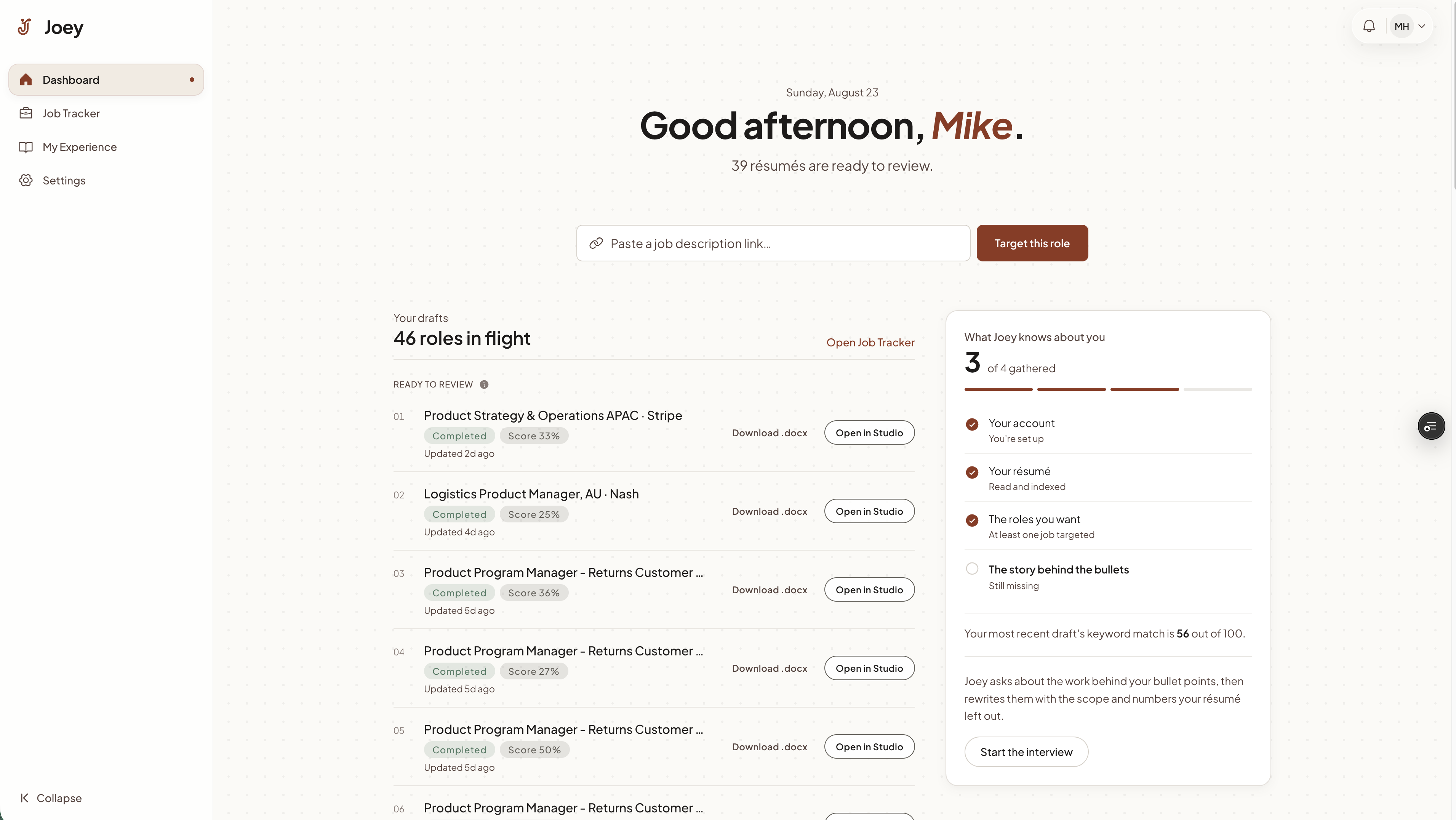
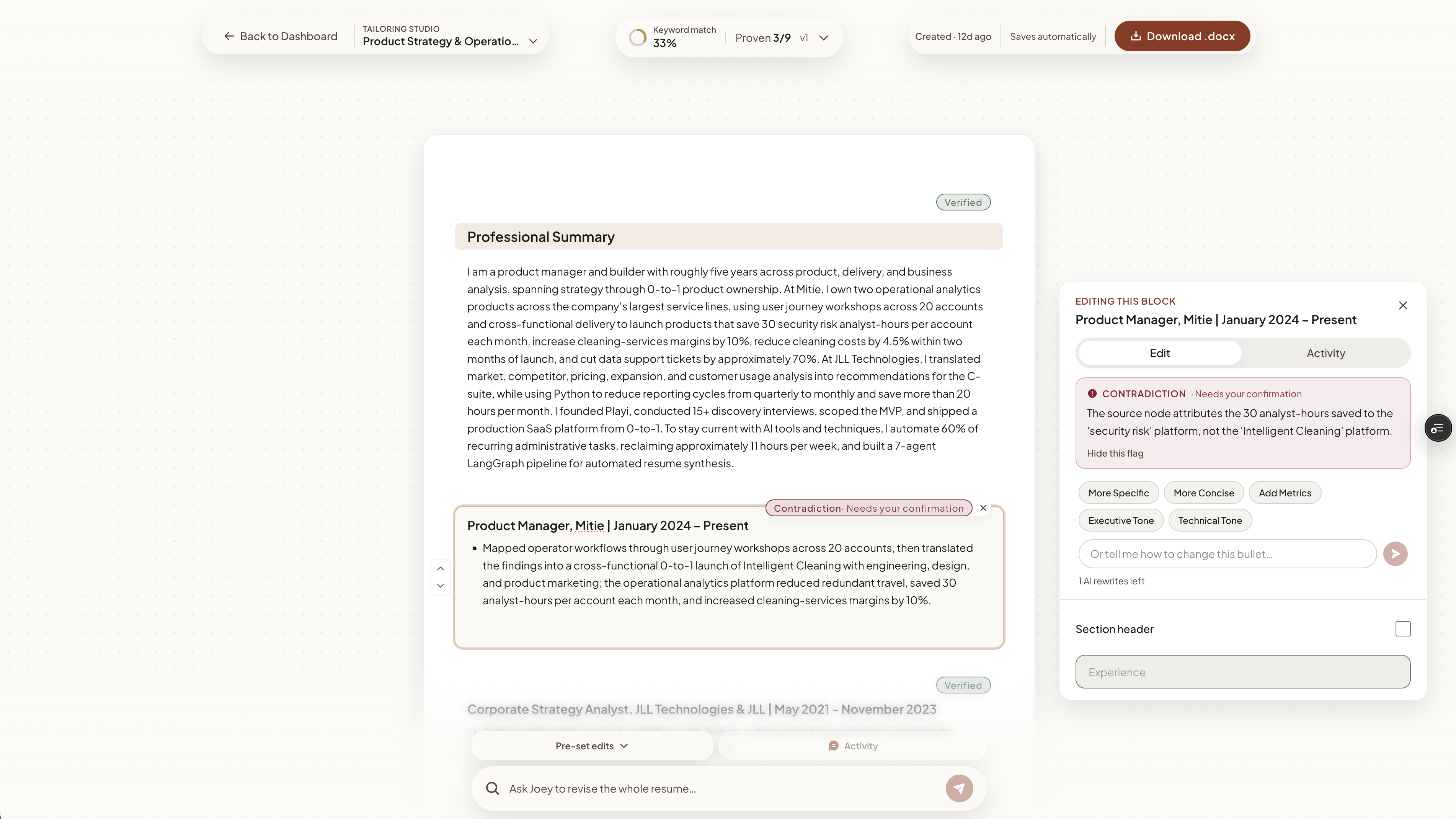
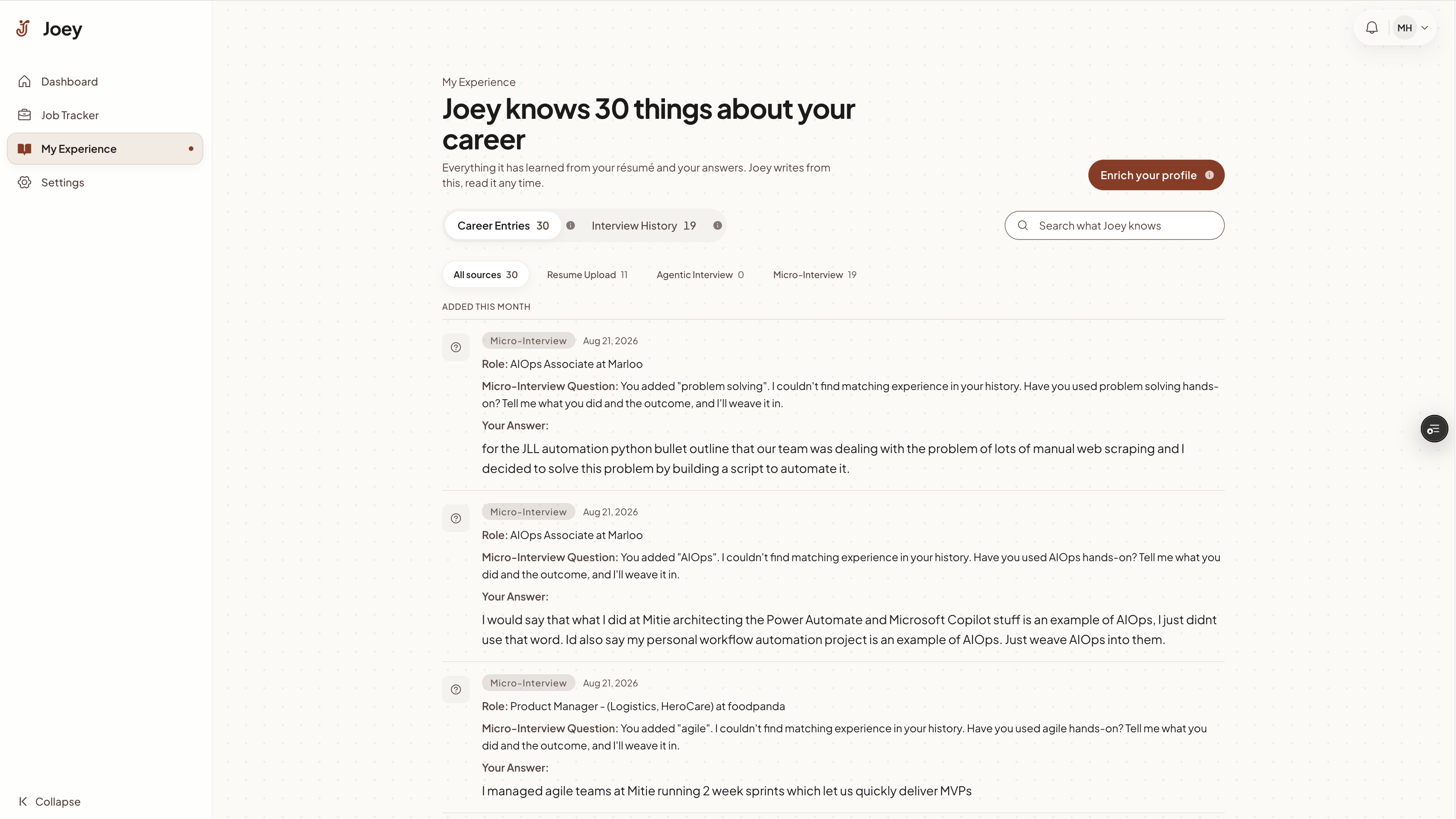
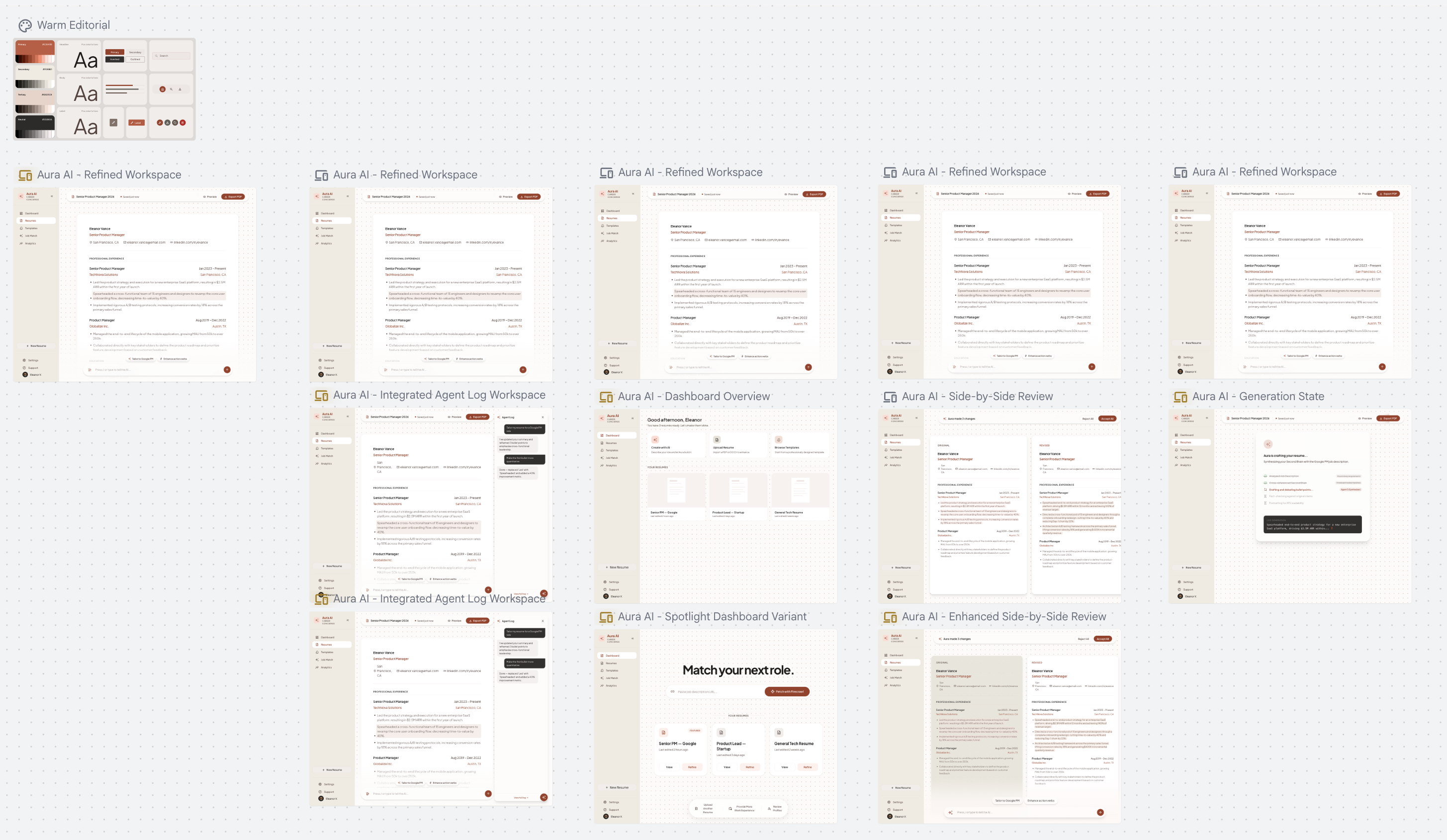
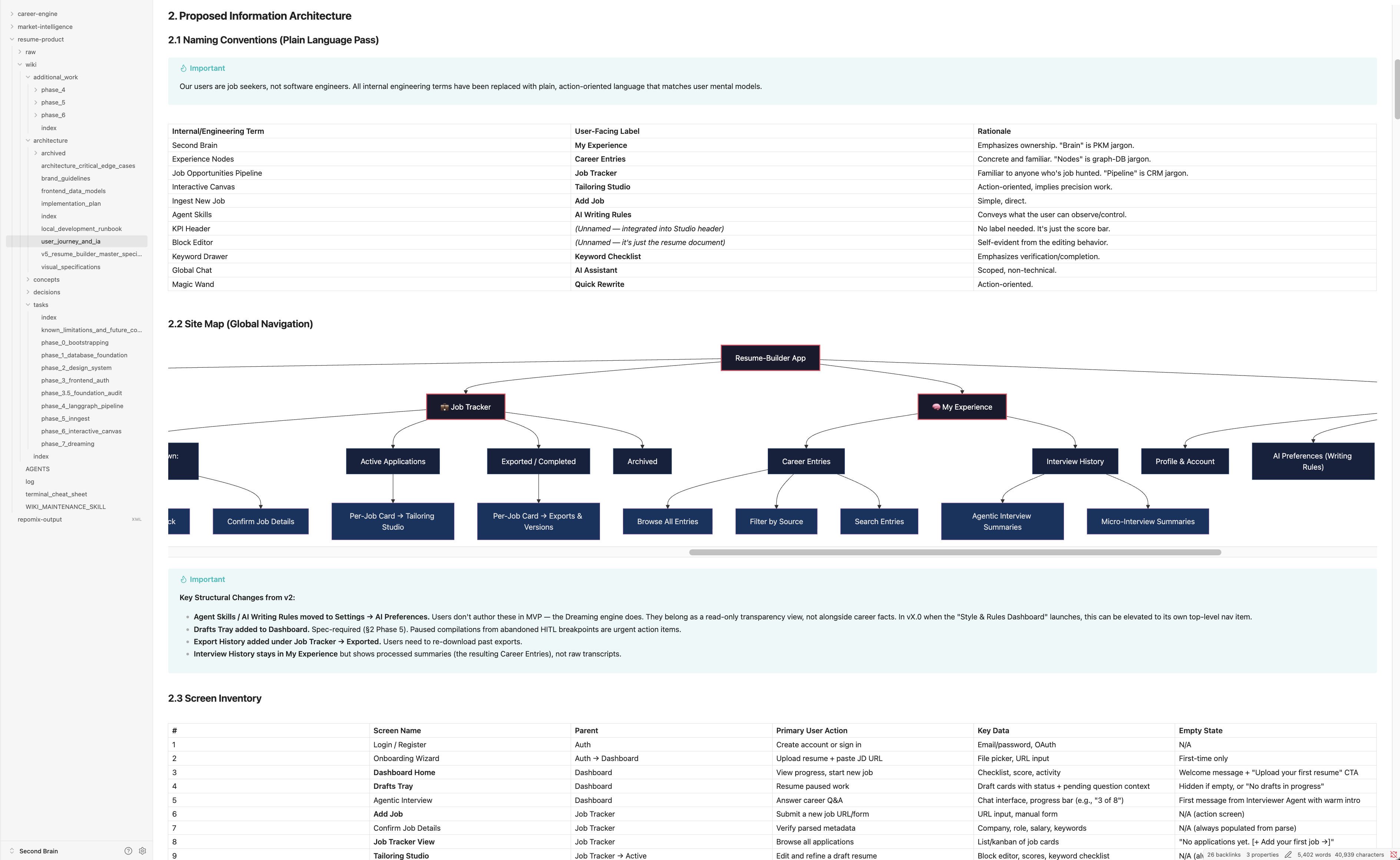
In today's job market, you need a custom-tailored resume just to even have a chance. I kept hearing the same pain from so many friends that relying on AI chatbots, or even something like Claude Cowork, just doesn't cut it. They don't learn your language, they don't get better over time, and they constantly hallucinate. Friends were spending more time babysitting the AI and editing its lies than if they had just written it themselves.
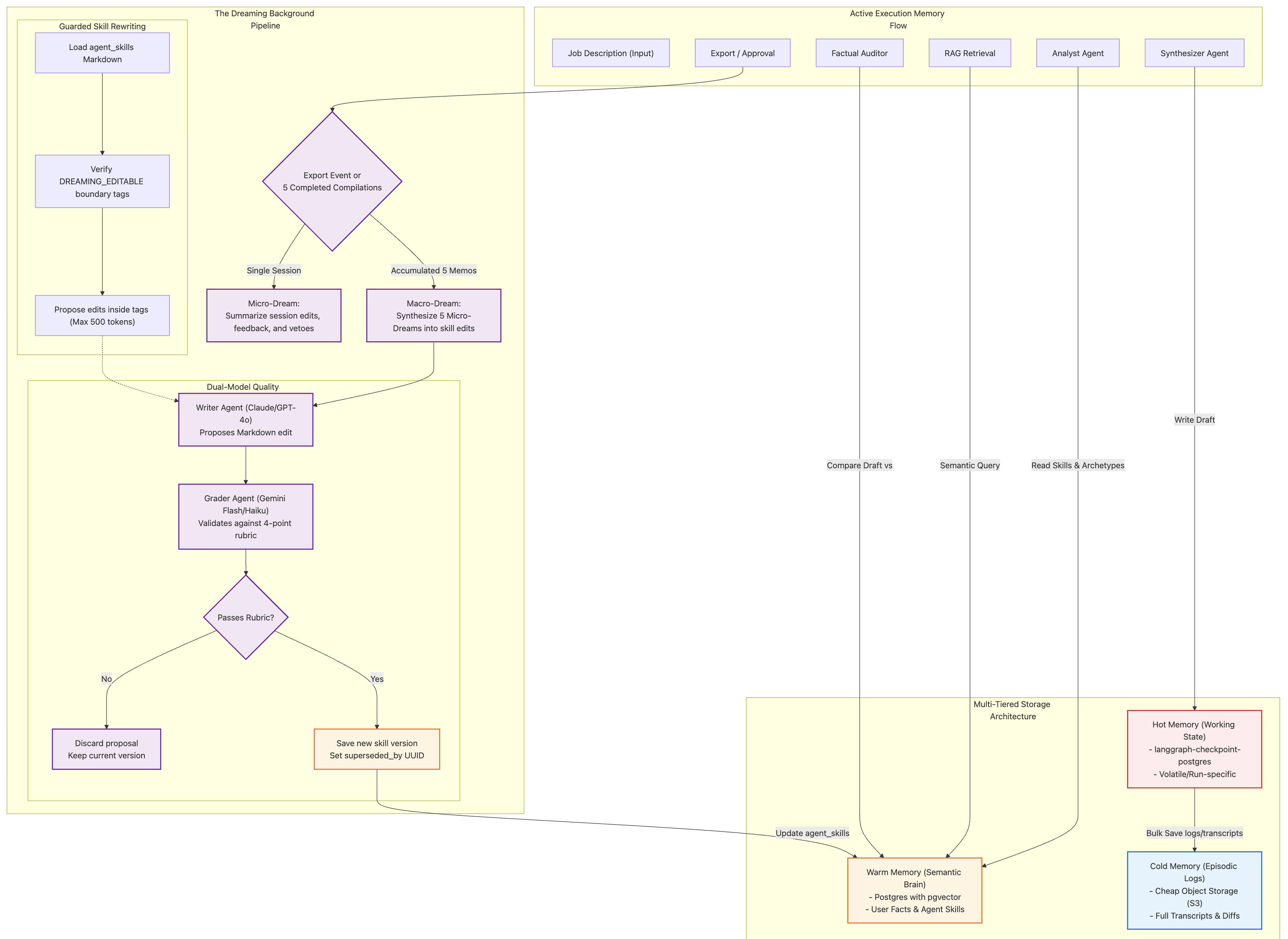
To fix this, I built Joey. A self-learning AI career engine that orchestrates a 7-agent adversarial LangGraph pipeline to generate hyper-tailored resumes without hallucinations, powered by a compounding memory system that adapts to your unique writing style over time.
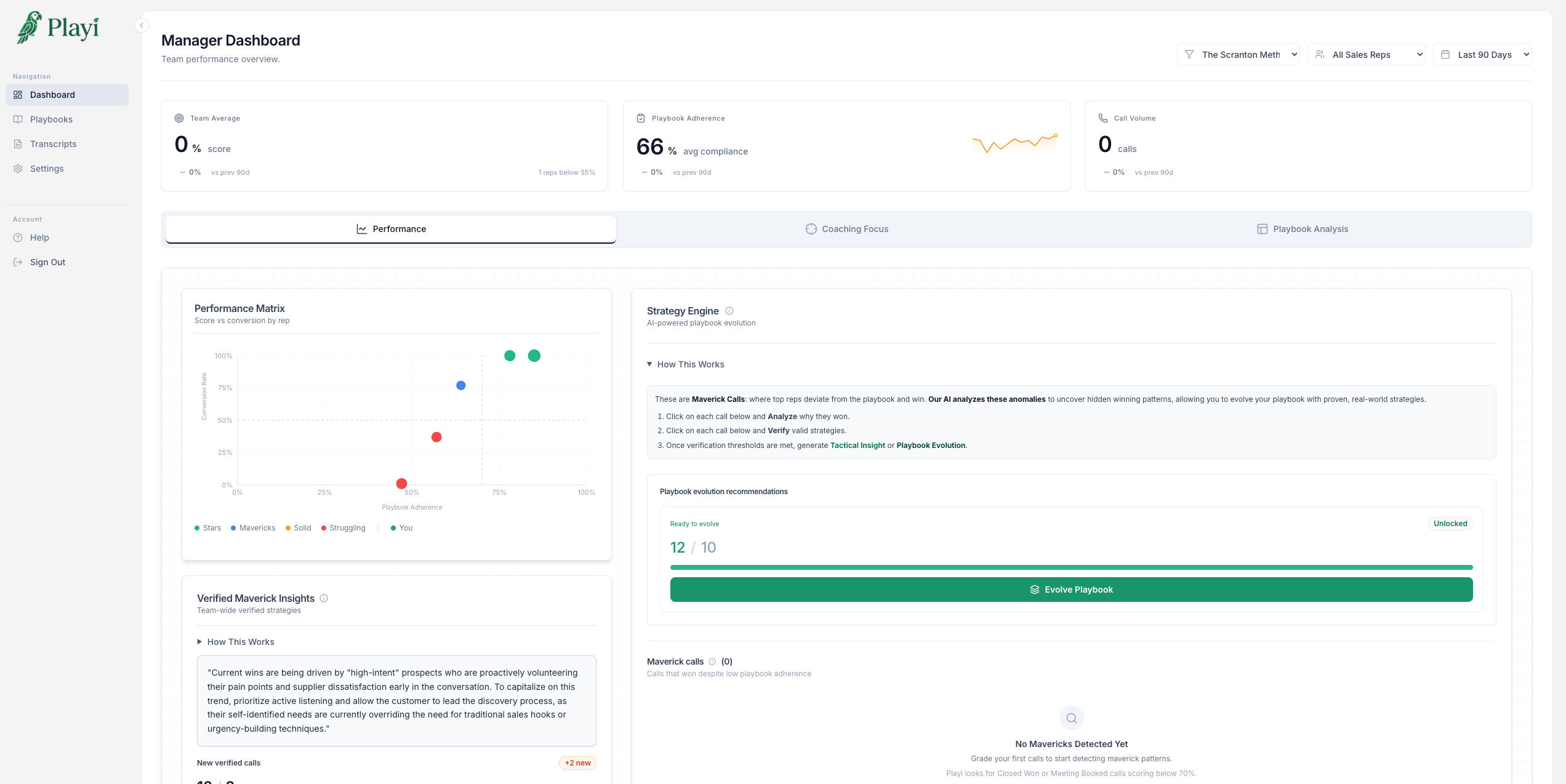
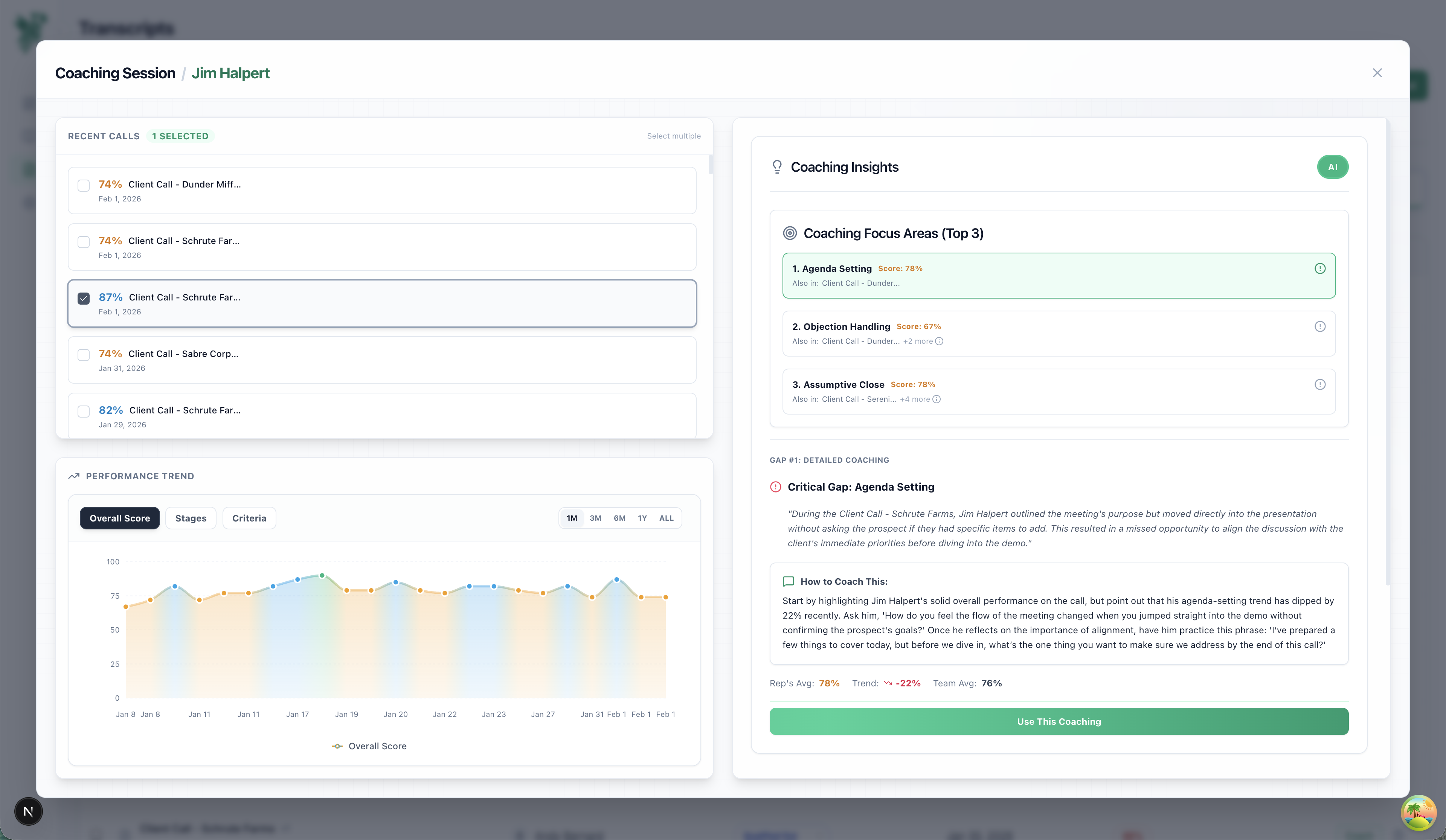
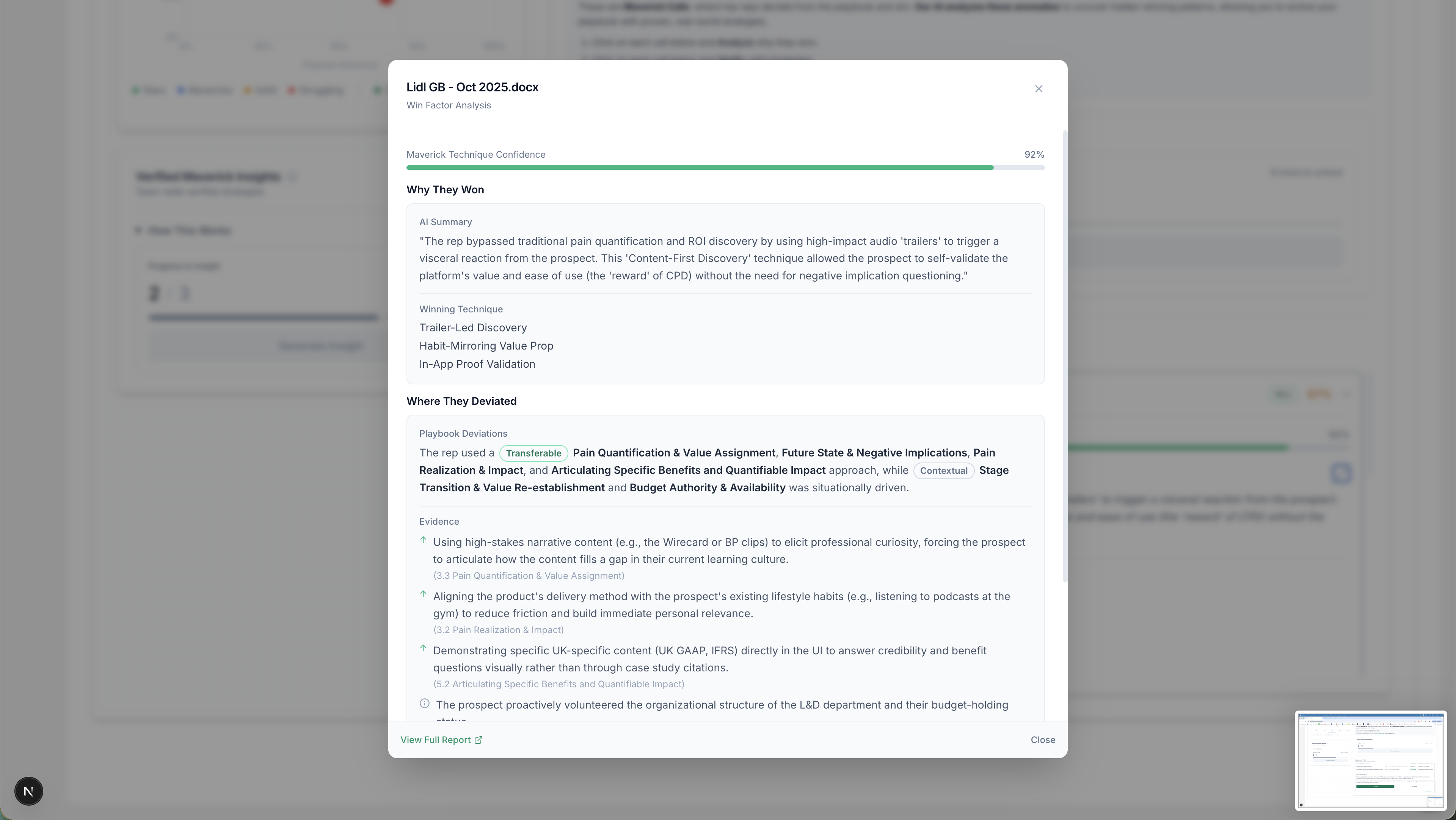
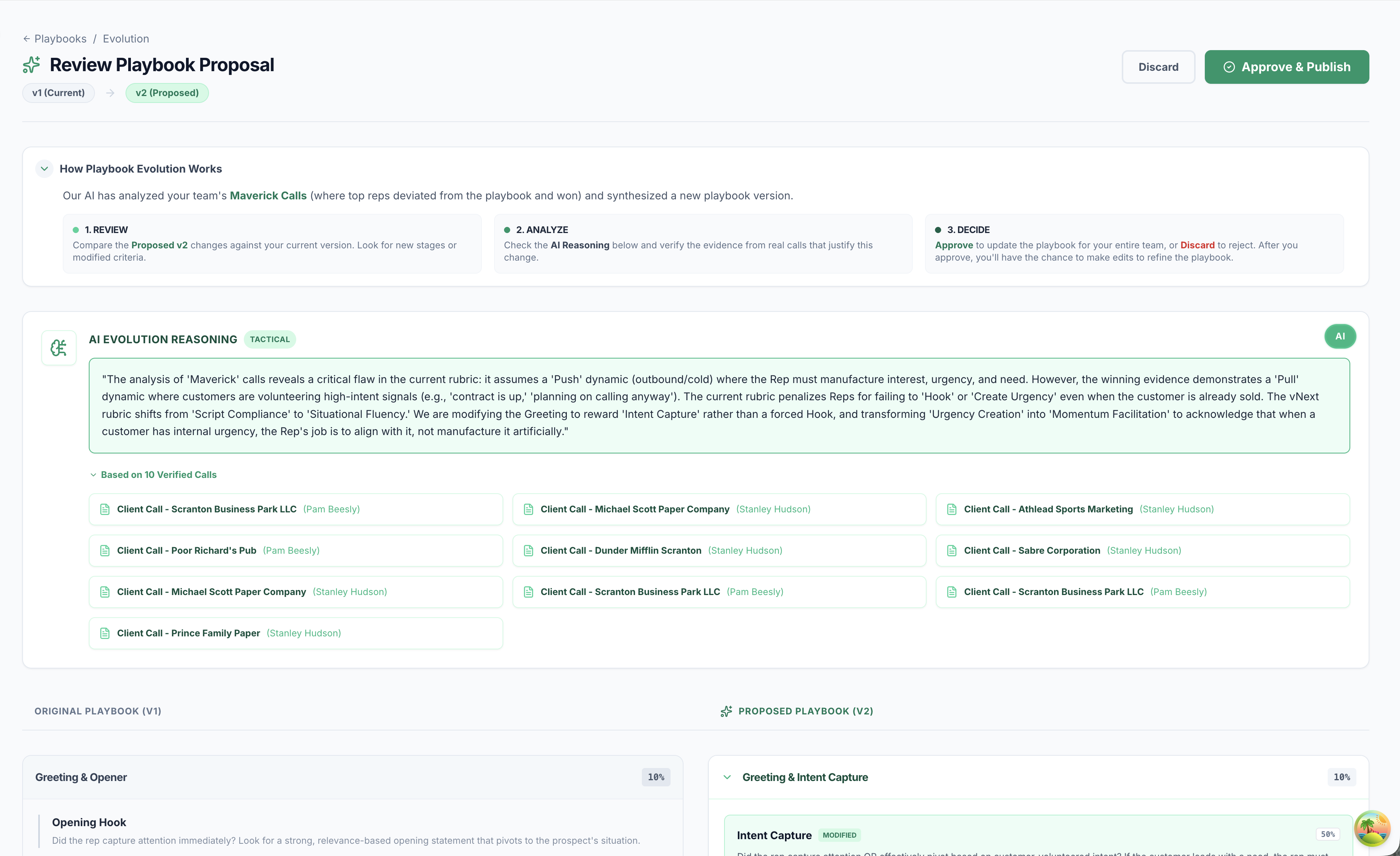
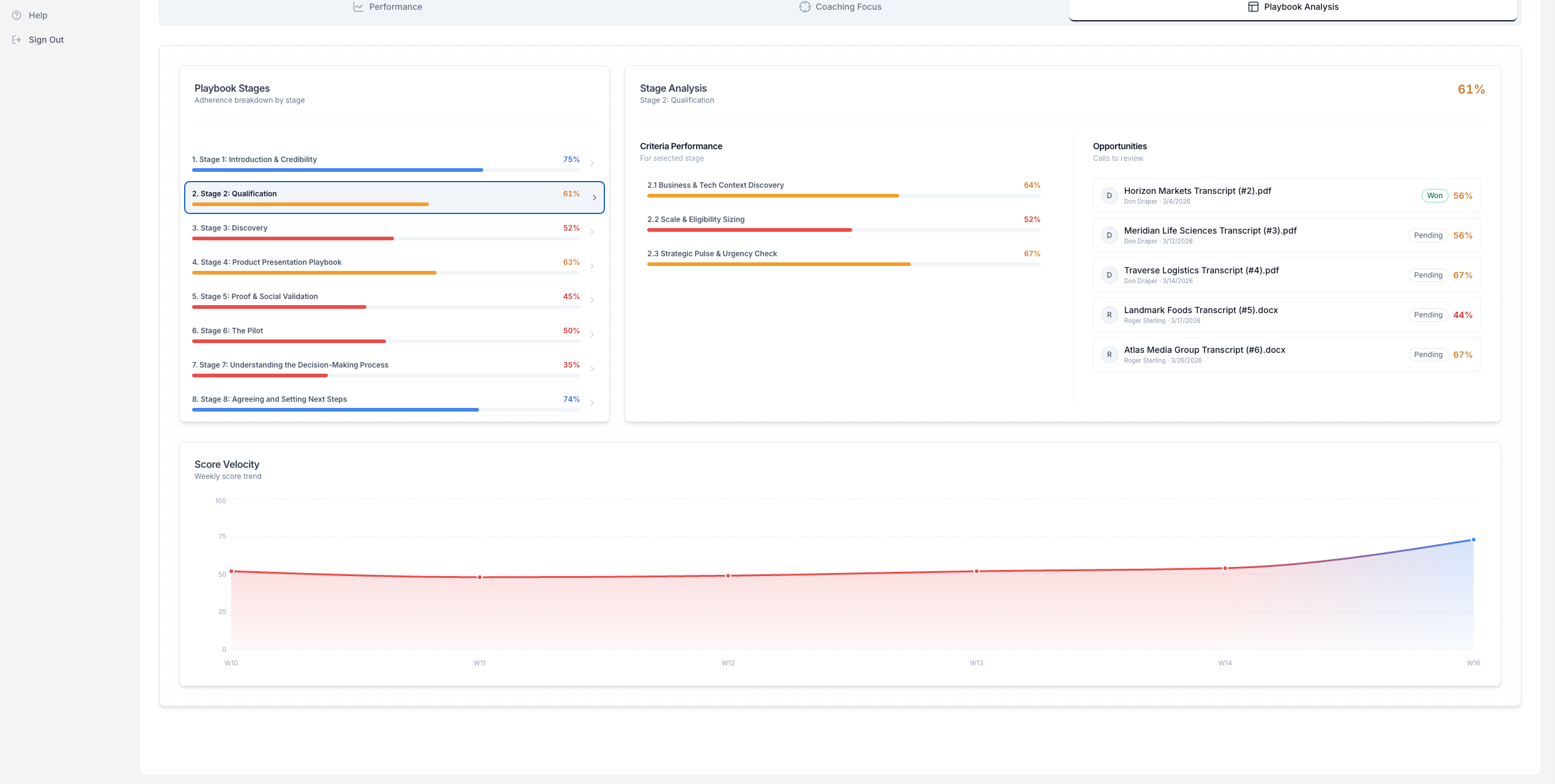
Adaptive Sales Playbook for Sales Teams
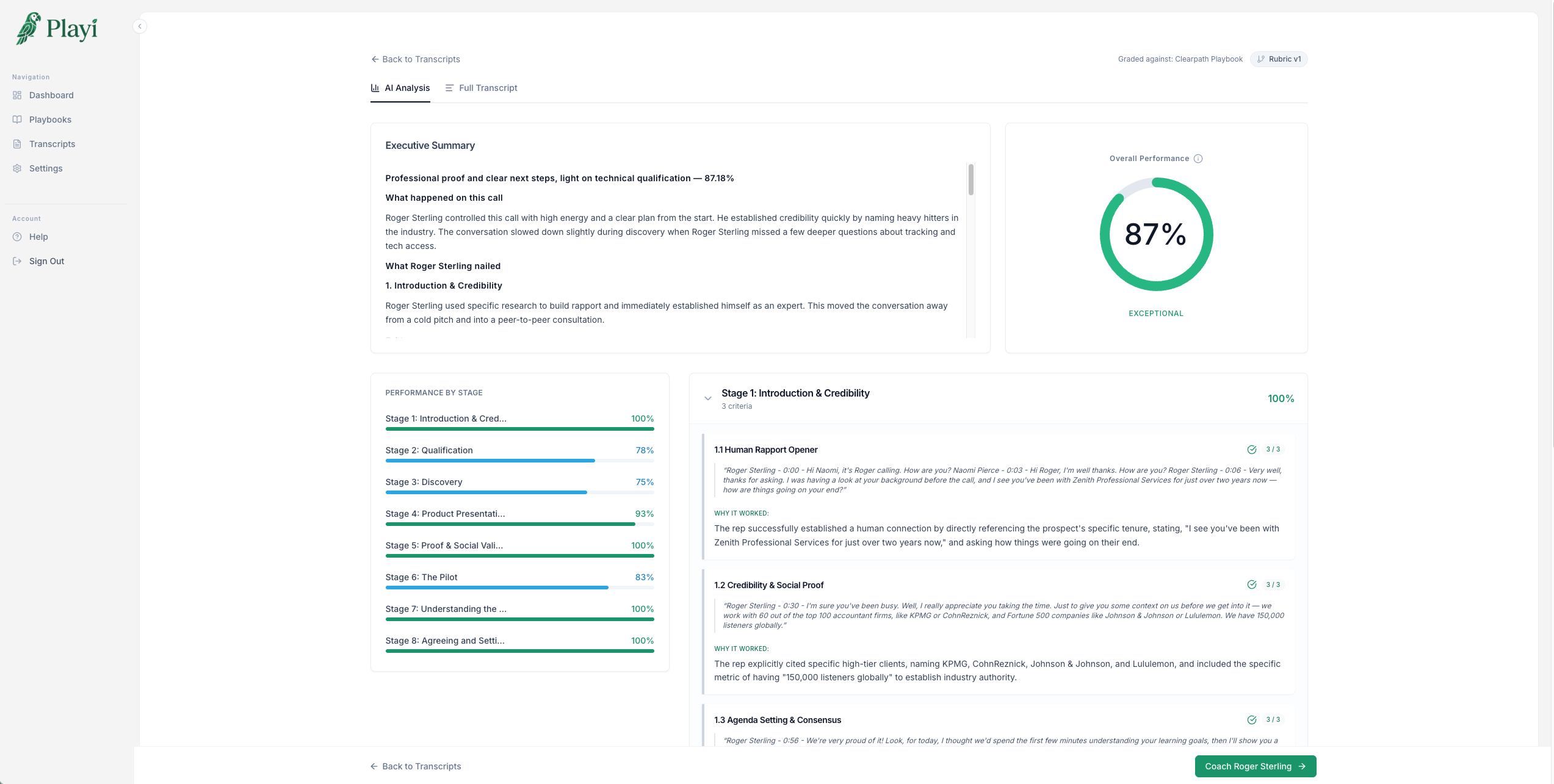
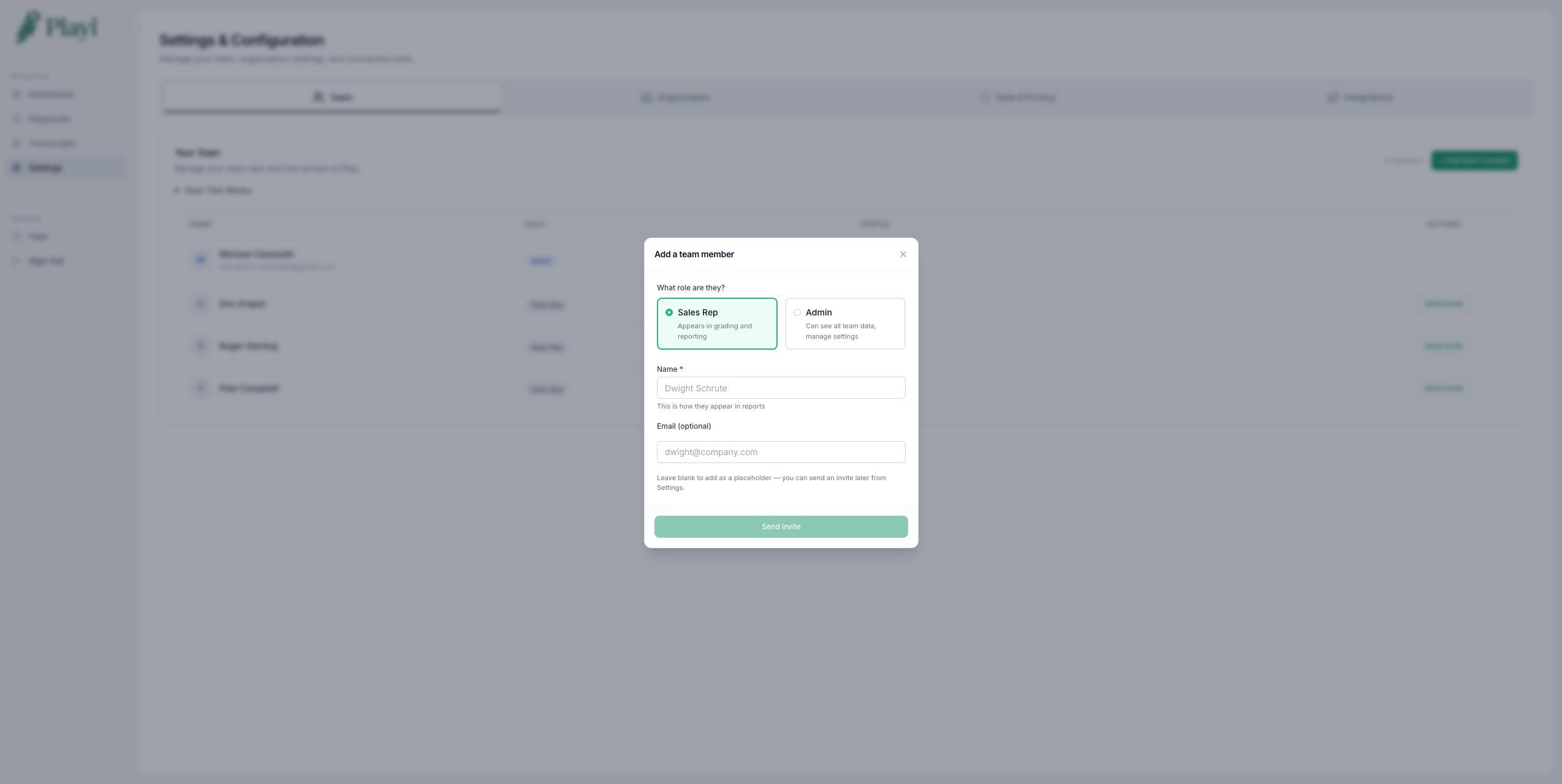
A self-evolving sales coaching platform built with Next.js and Supabase that grades transcripts against custom rubrics using a multi-agent pipeline, flags rule-breaking wins, and programmatically generates schema-validated playbook evolutions.
Personal automations, second brains and AI workflows
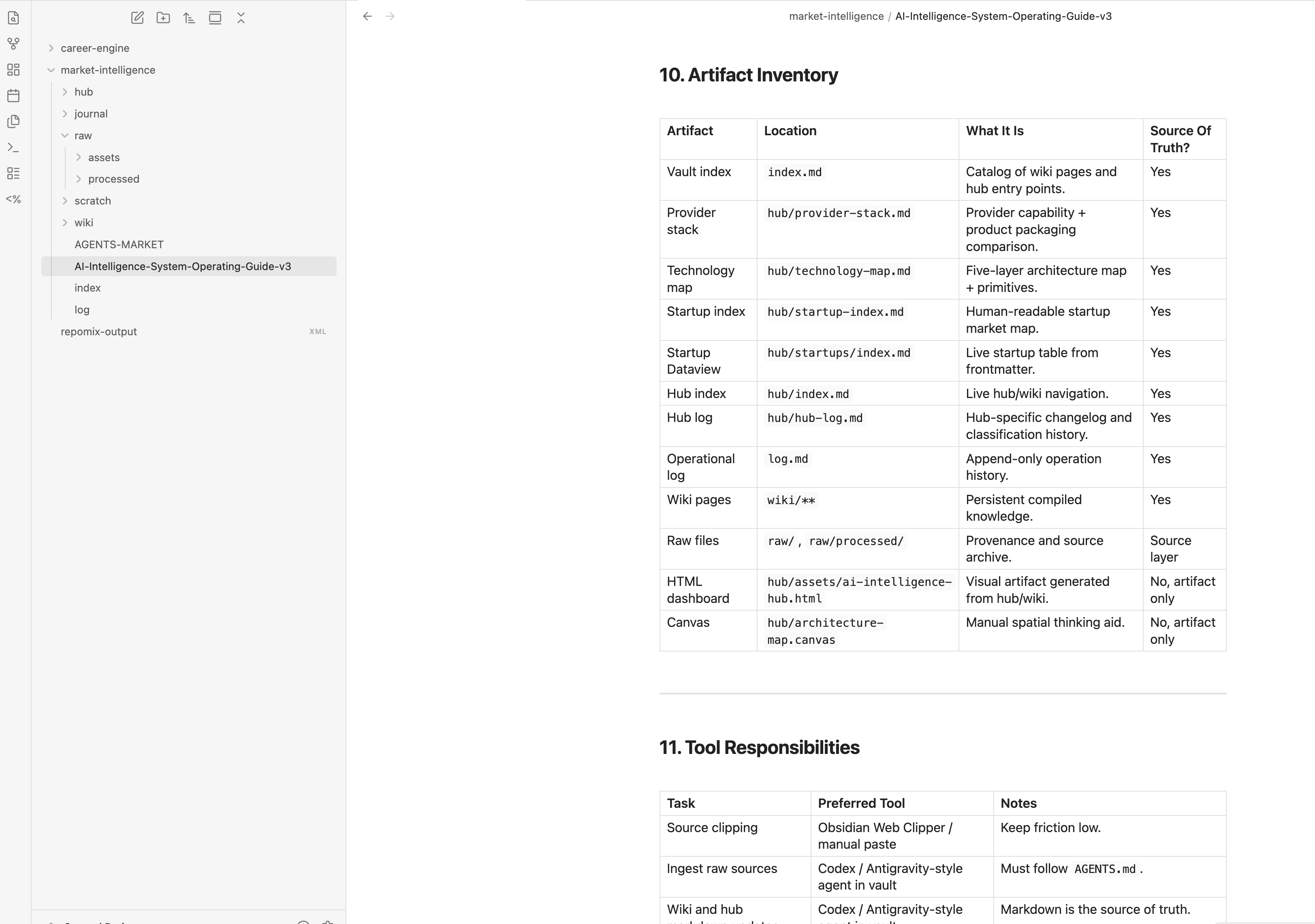
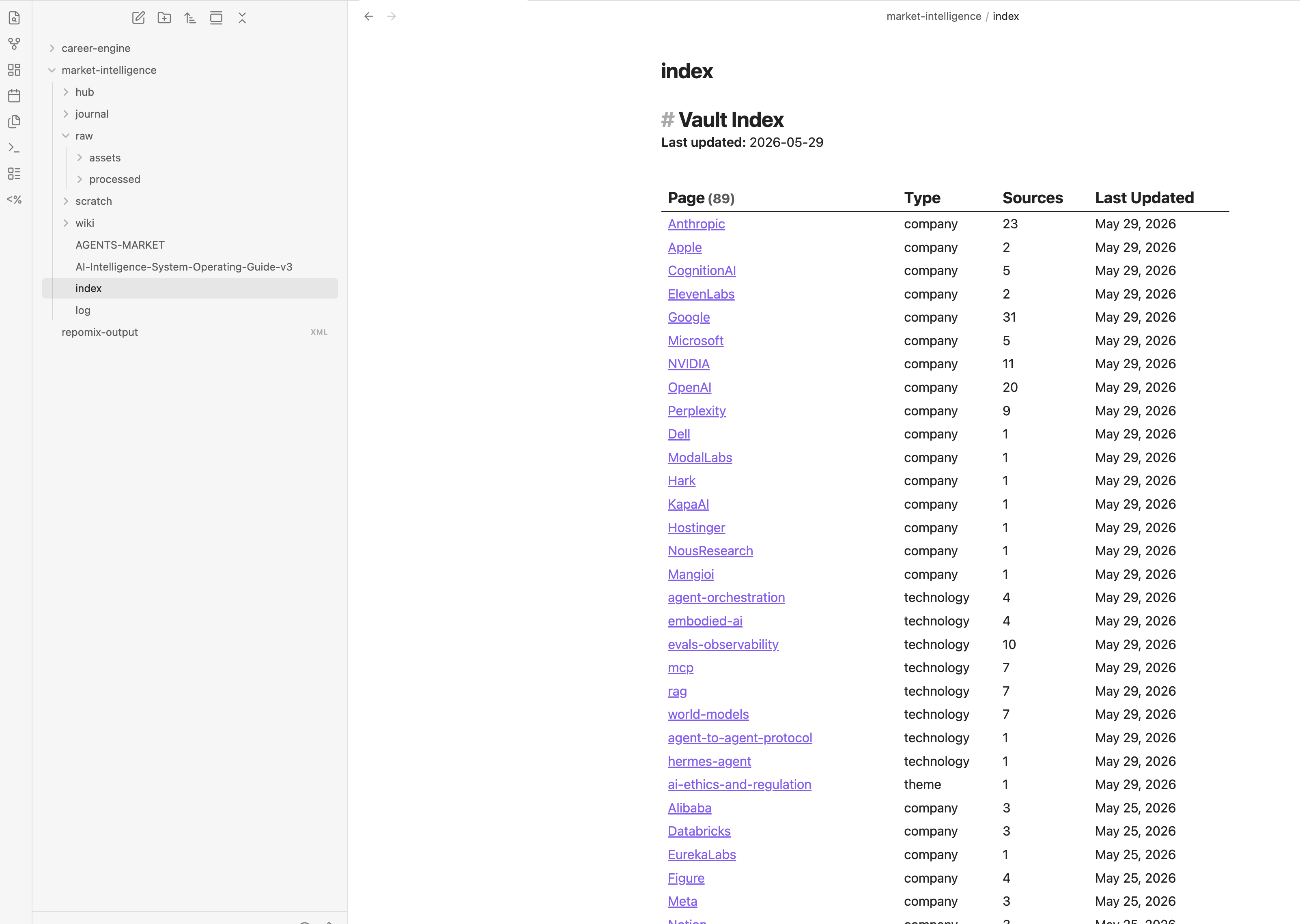
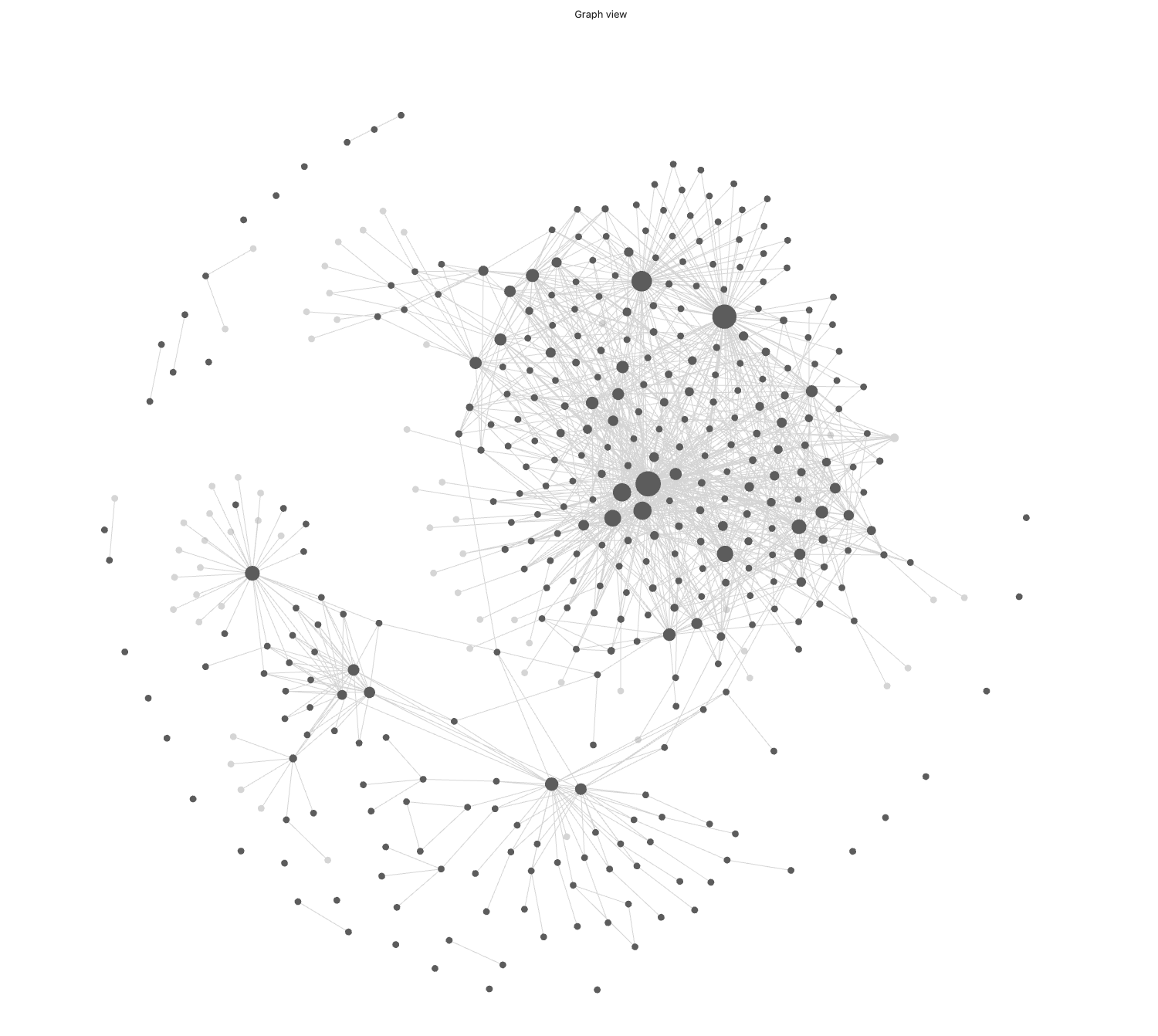
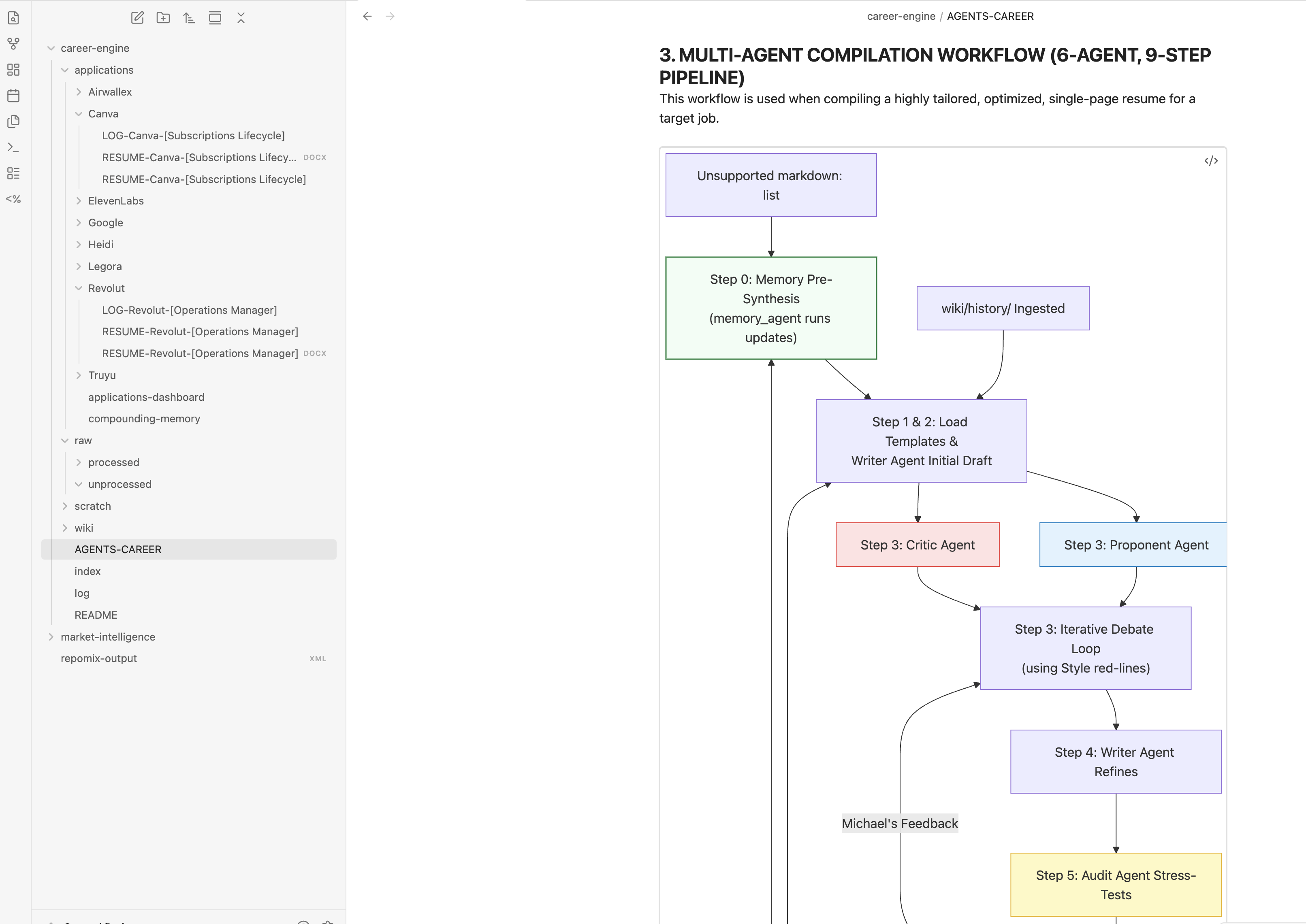
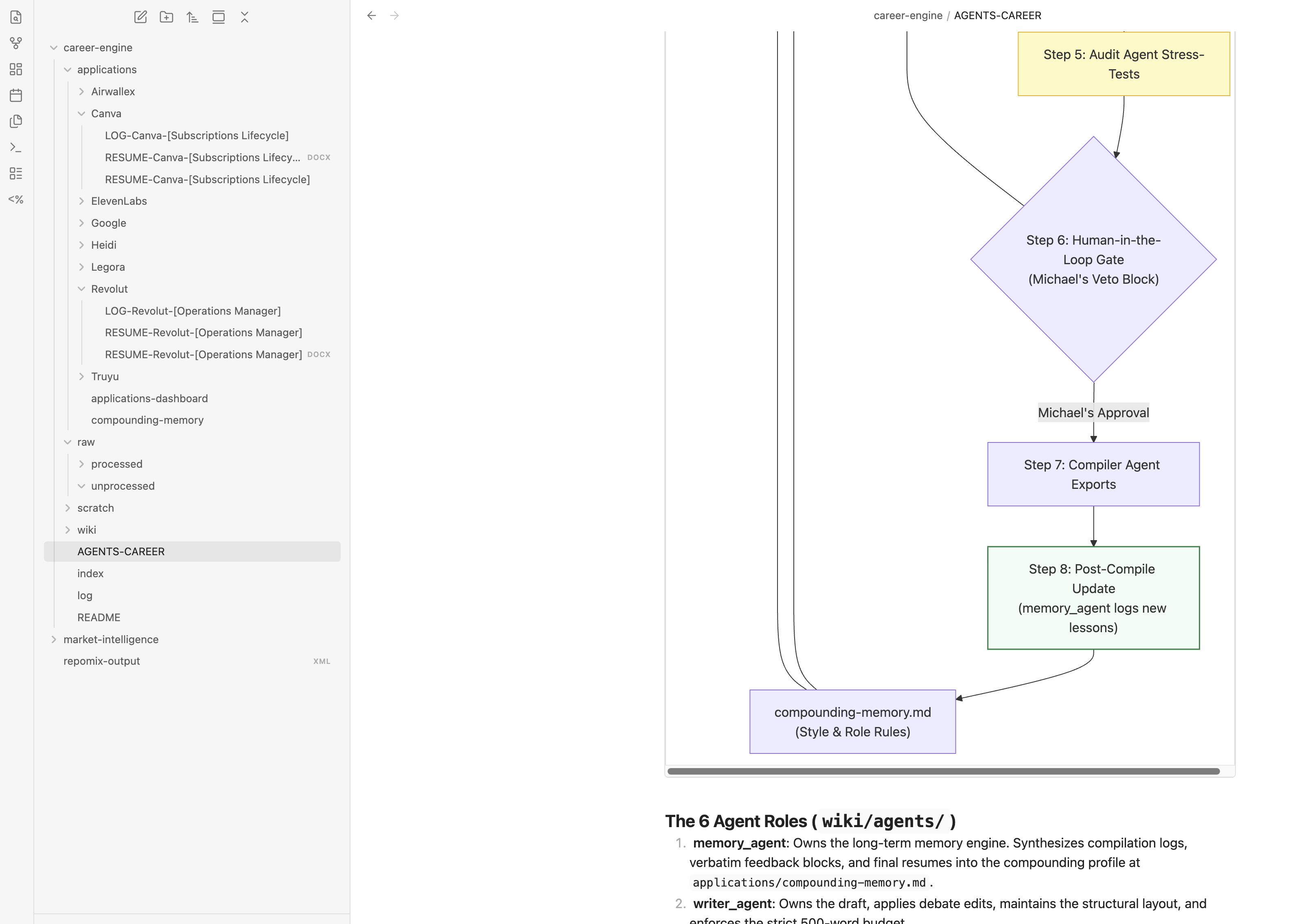
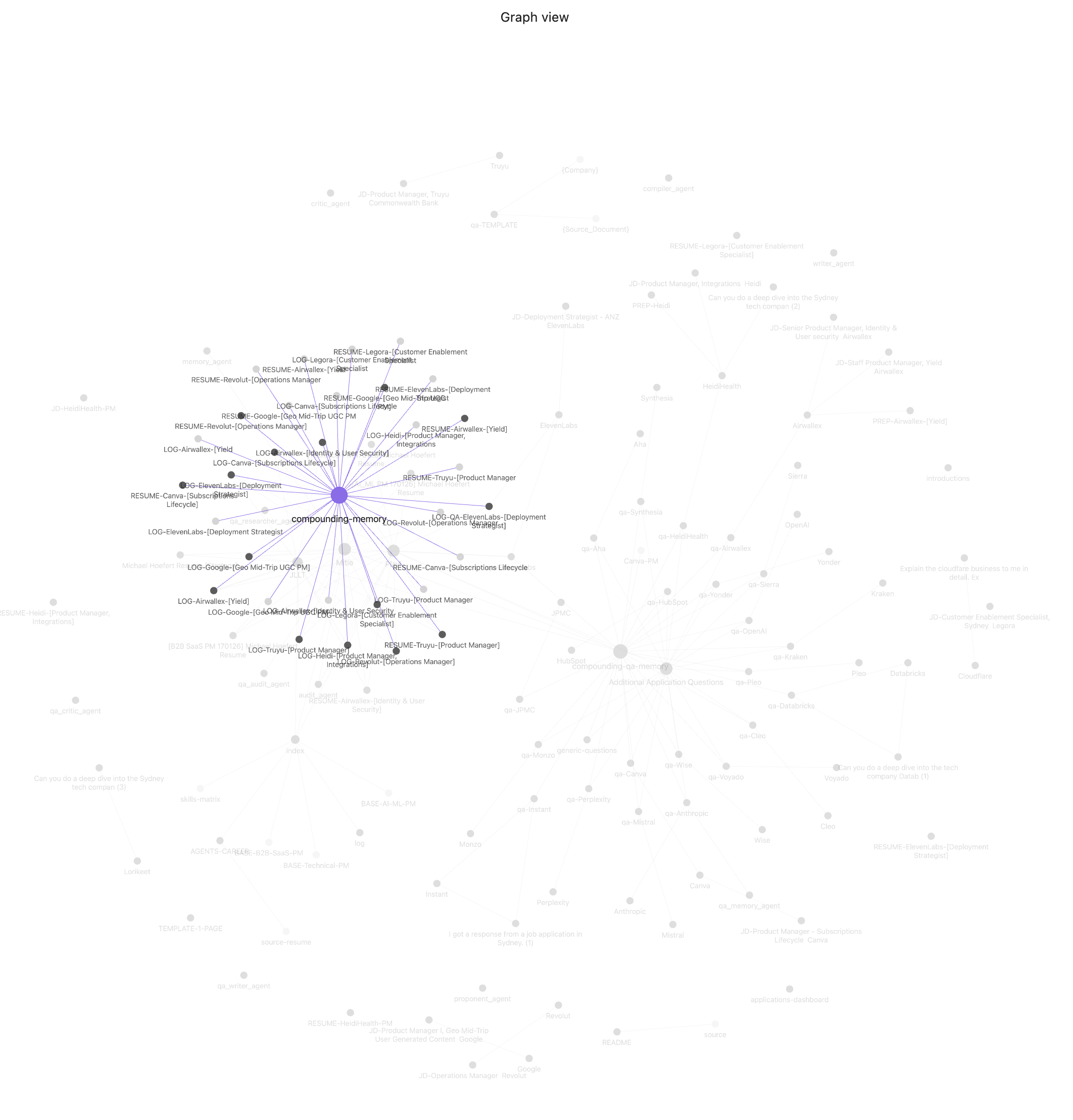
Compounding LLM Wiki & Context Engine
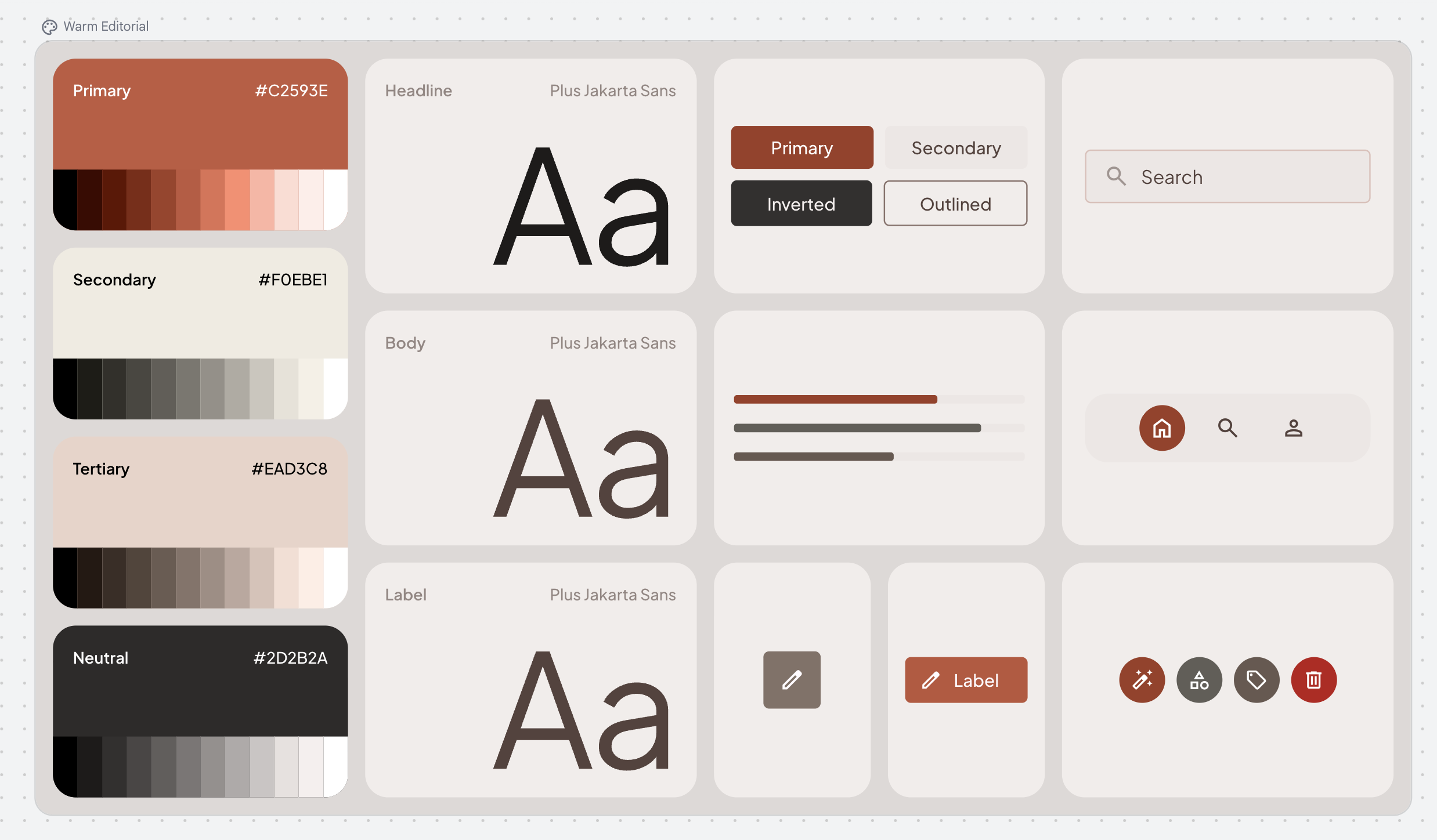
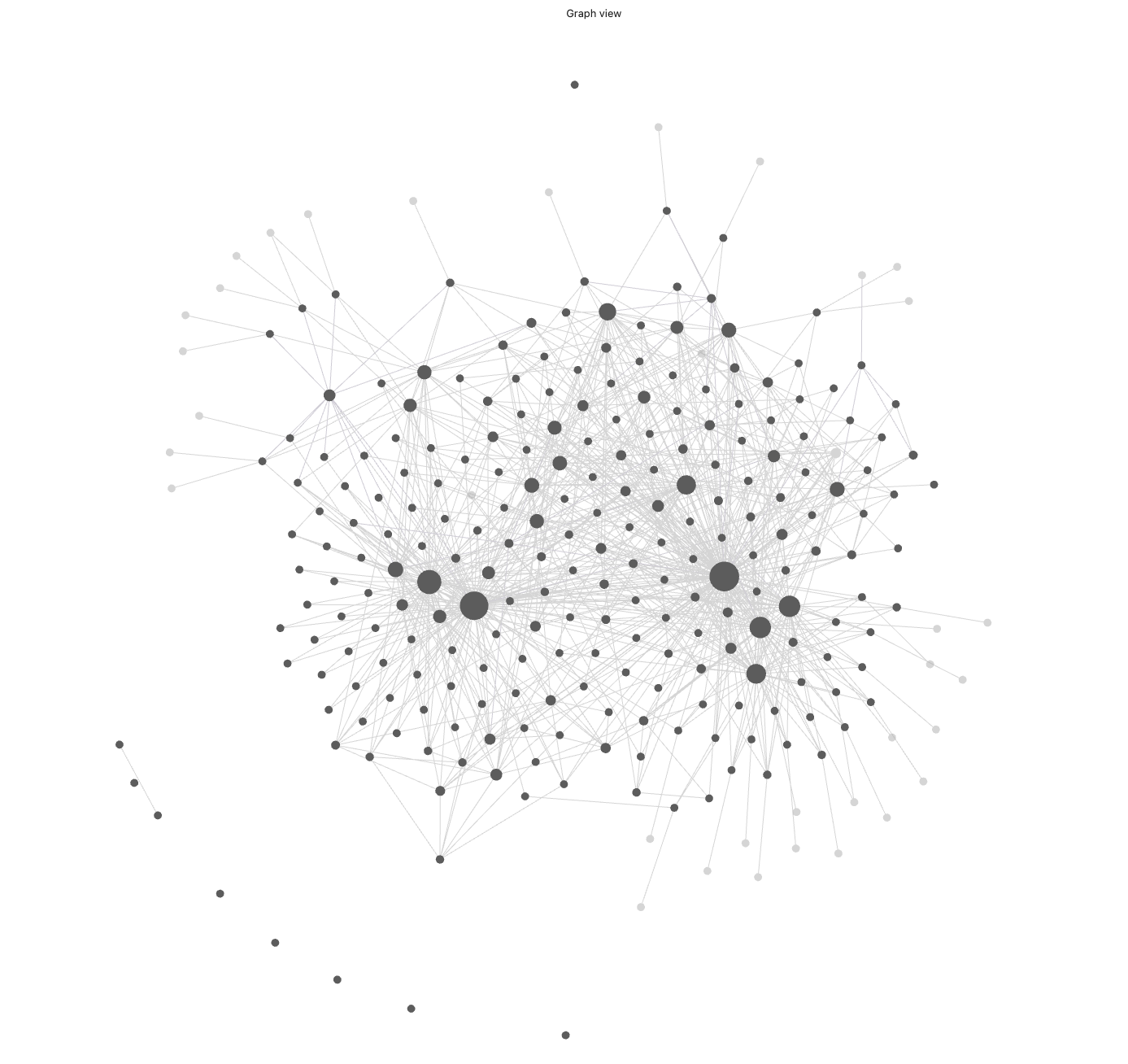
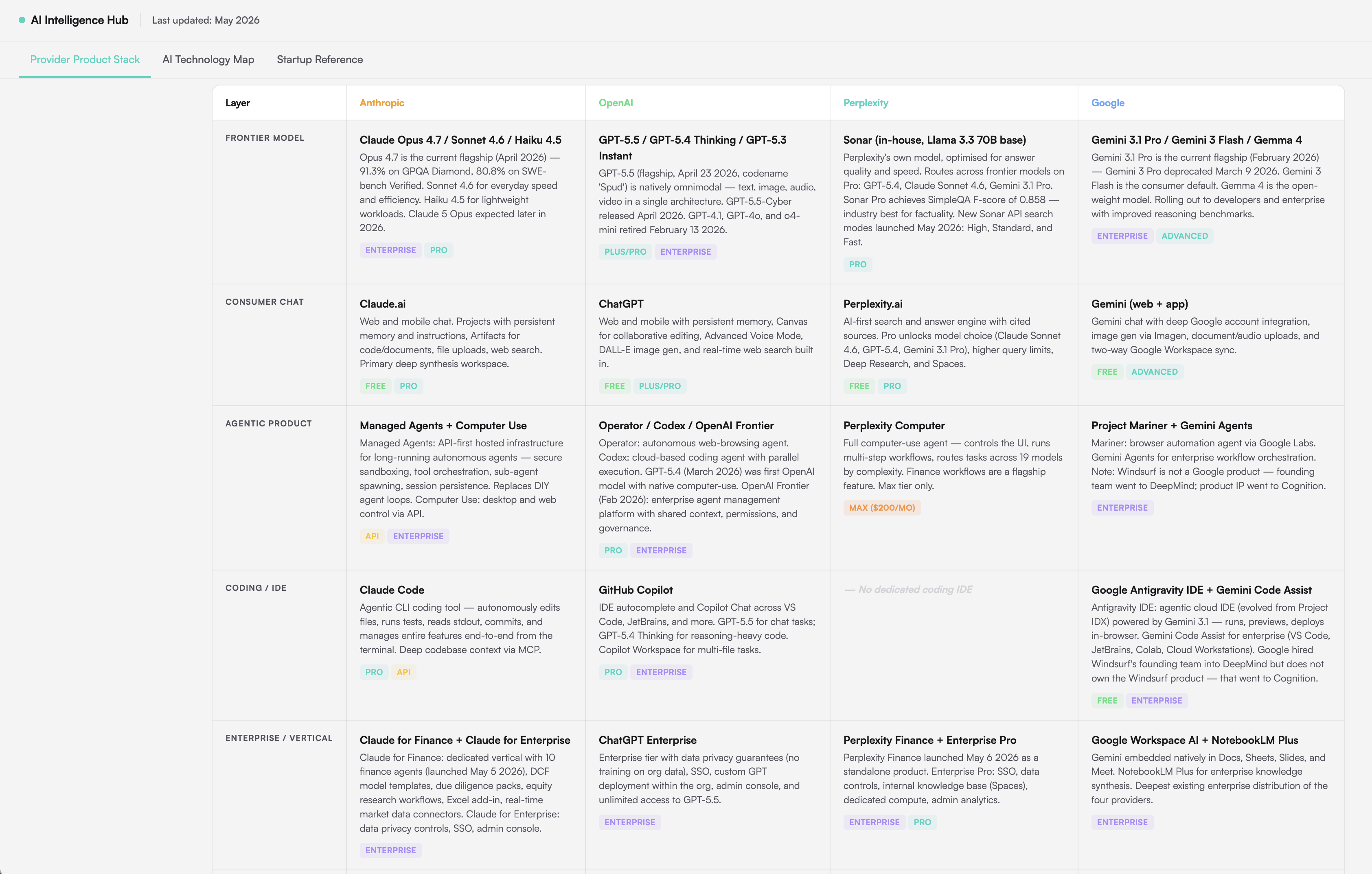
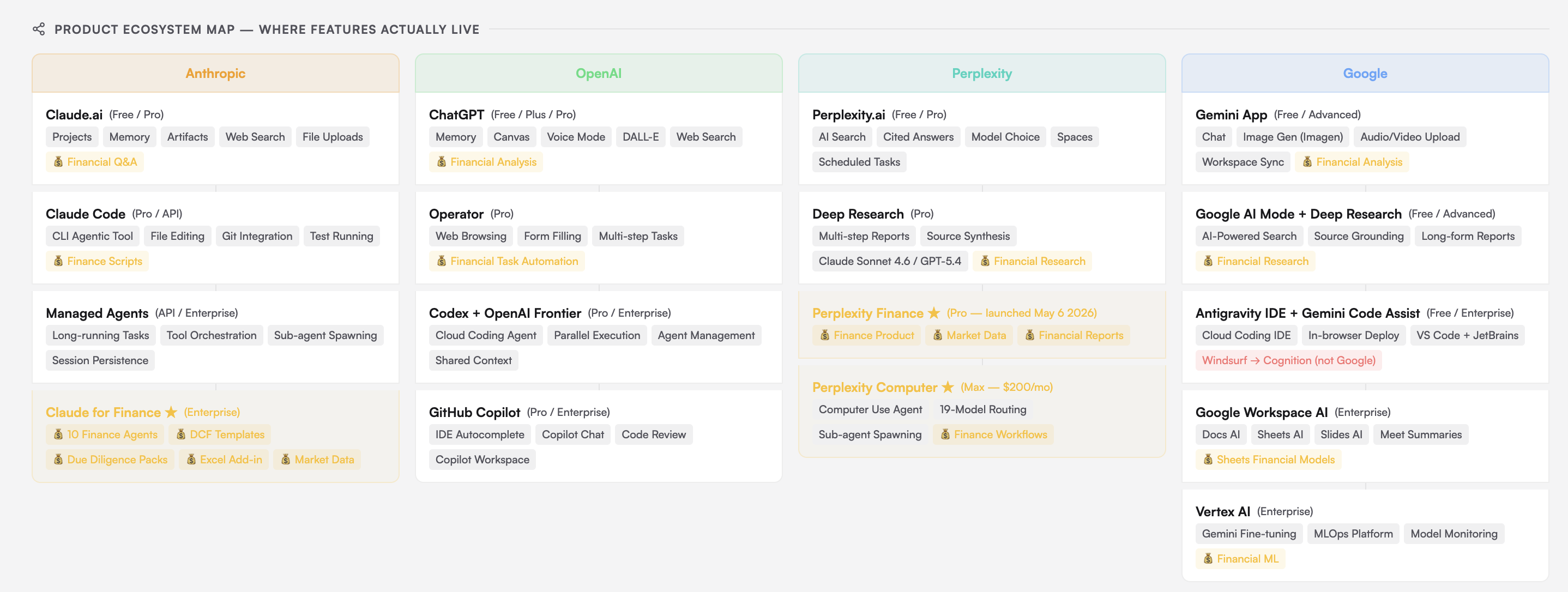
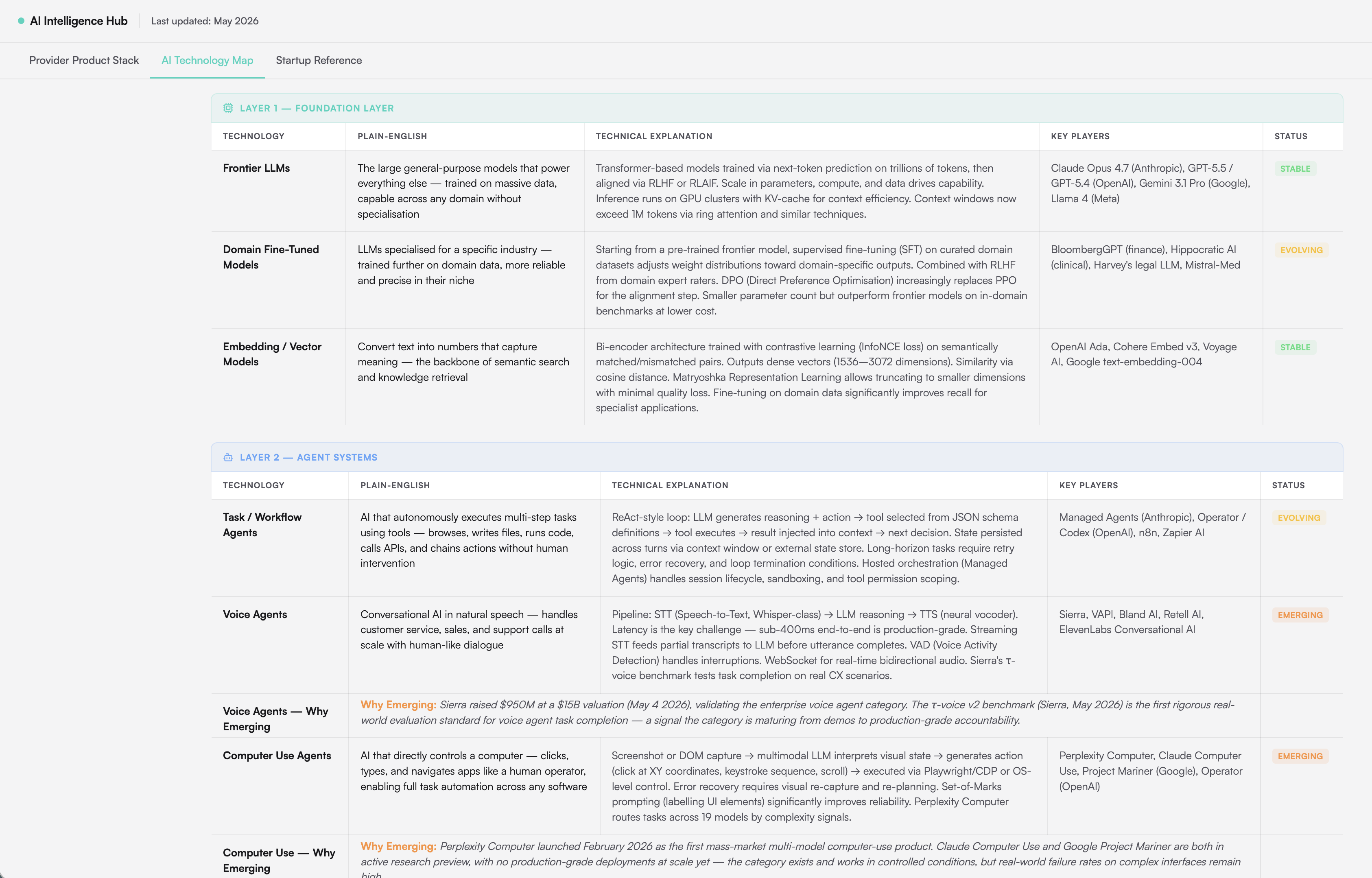
My second brain is one context engine for everything I work on: the AI landscape, my full career history, the books I've read and the notes I've made, and the specs and implementation plans for everything I build. It follows Andrej Karpathy's LLM wiki approach in Obsidian, so it all lives as linked markdown any model can read, with indexes that let an agent pull only what it needs.
Web clips, podcasts, newsletters and build transcripts compiled into markdown every night
Classified into one linked wiki: AI landscape, career history, books and notes, product specs and plans
Indexes built for progressive disclosure, so any harness pulls only the context it needs
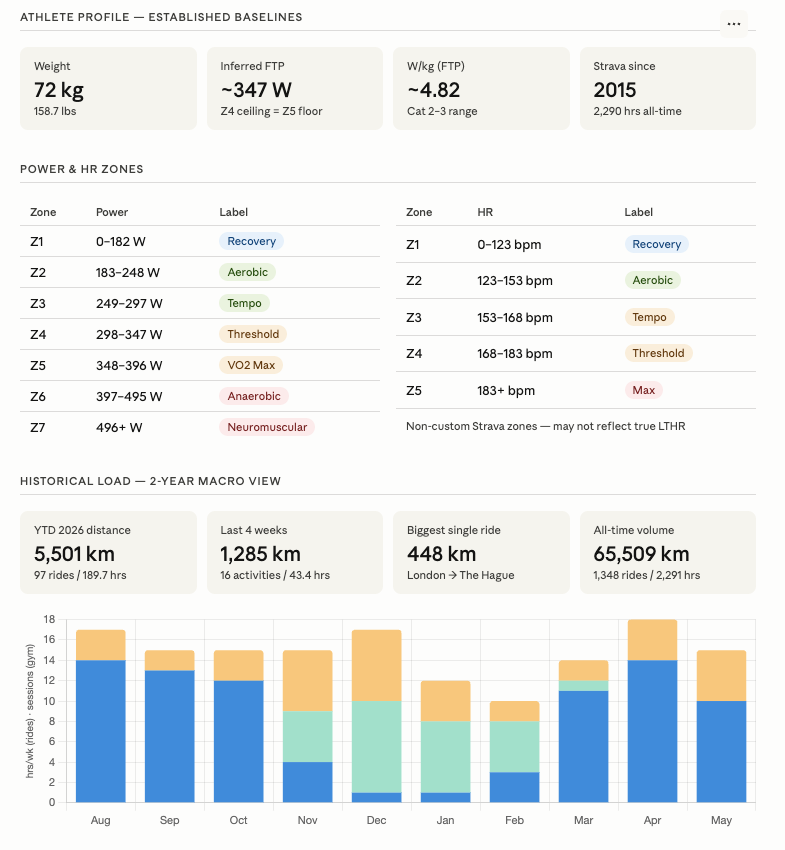
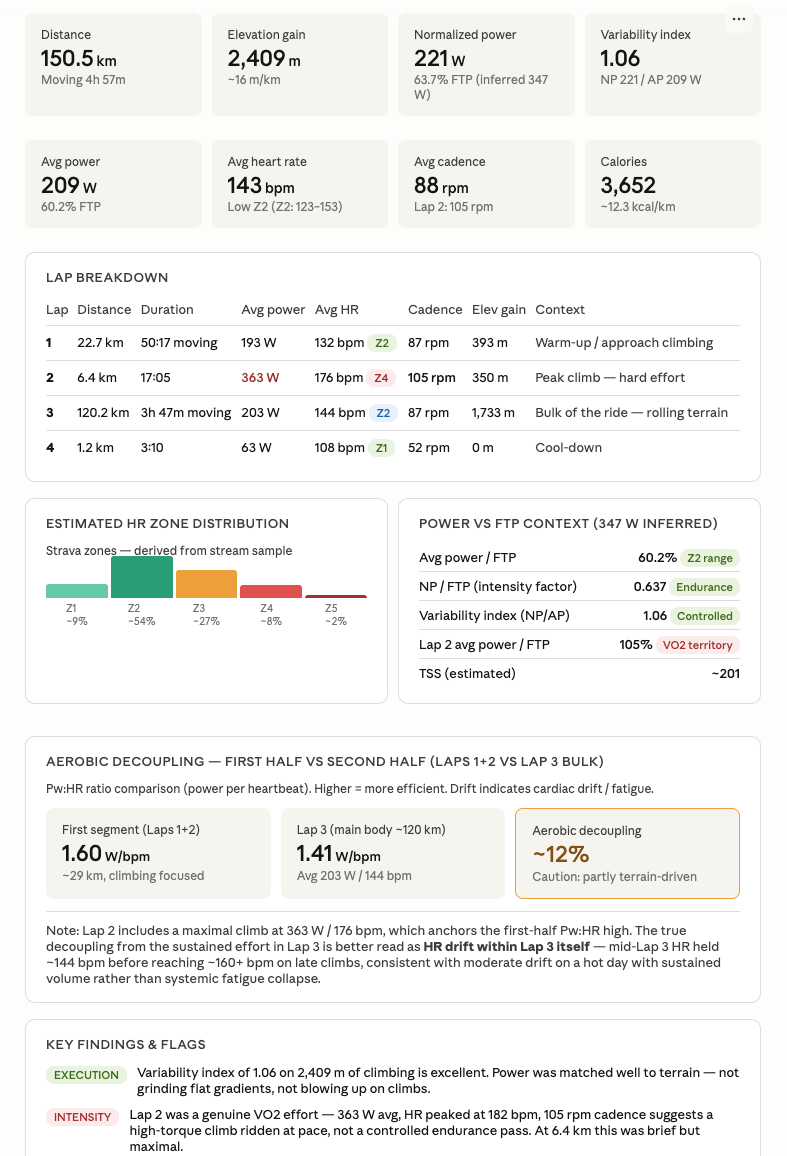
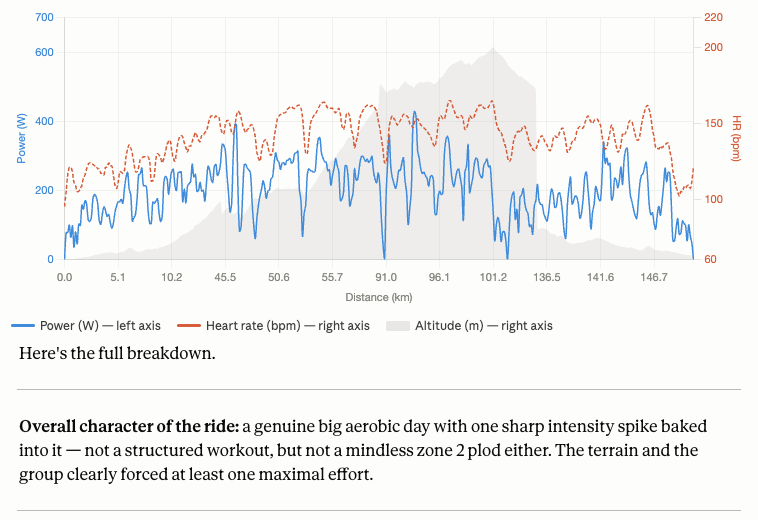
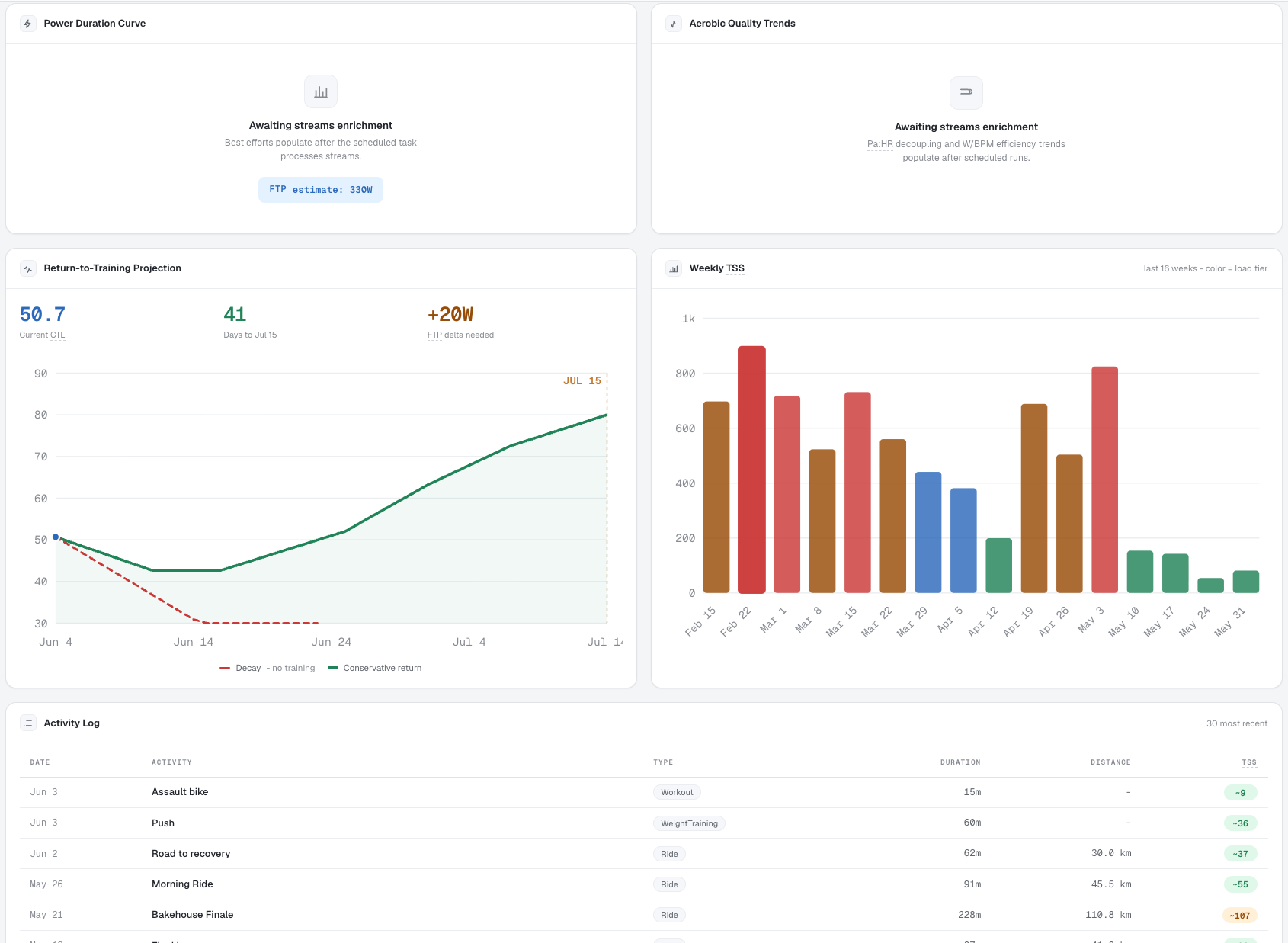
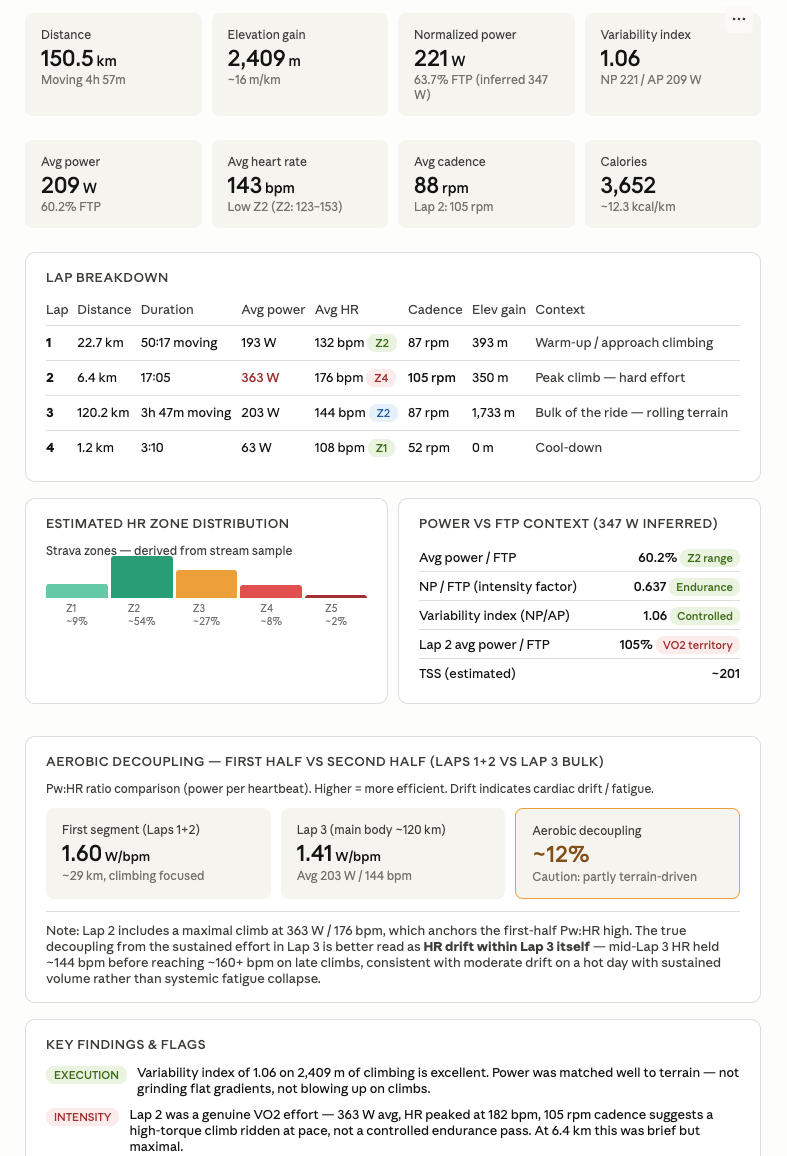
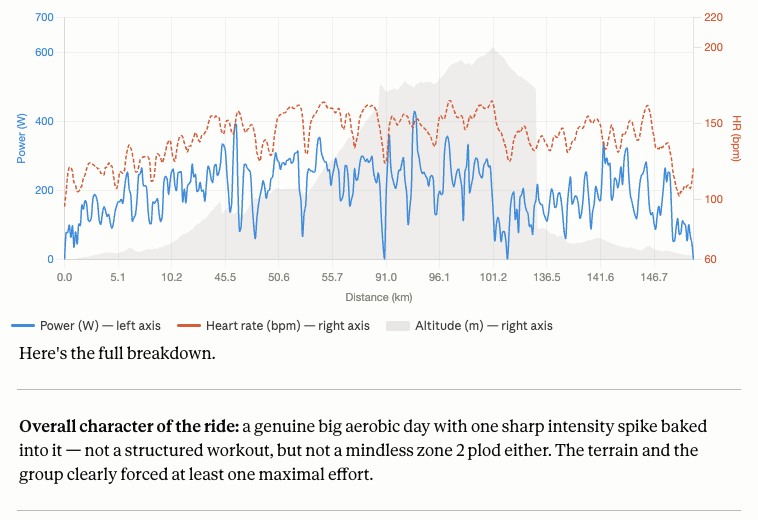
Live Dashboards & AI Coaching From Any Harness
An elite-level training intelligence engine built on Next.js that brings three streams of data together: raw sensor streams (power, heart rate, cadence) directly from the Strava API, my qualitative ride feel and IT-band pain logs in Airtable, and Gemini Deep Research on ITB rehab and return-to-cycling protocols. The system performs advanced mathematical modeling, including cardiac drift (aerobic decoupling), Normalized Power (NP), and a dynamic CTL/ATL fatigue decay model, to compute performance metrics far beyond Strava's out-of-the-box analytics.
Using daily scheduled GitHub Actions workflows, an AI coaching agent processes all of it to self-correct, adapt training plans, and write morning coaching digests. The agent isn't tied to one tool: it runs in whichever harness has the leading model that week (Claude Code, Codex, or Cursor).
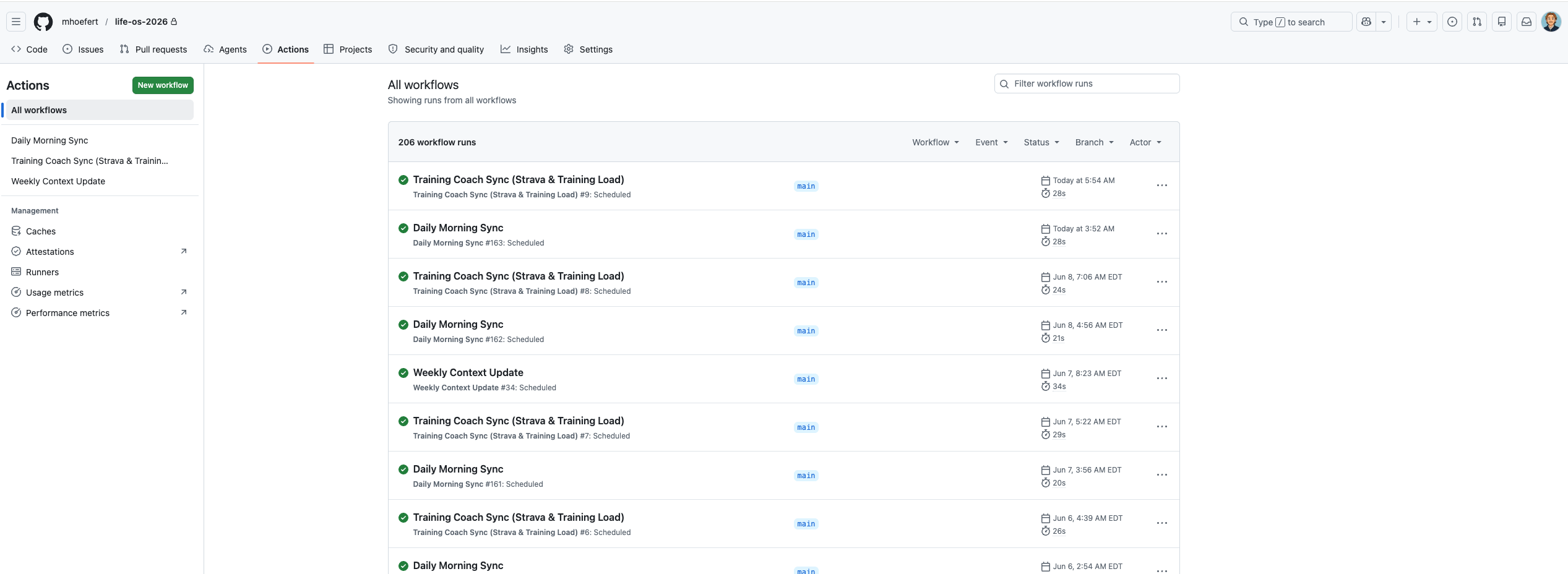
Because I don't want to be locked in to one AI lab
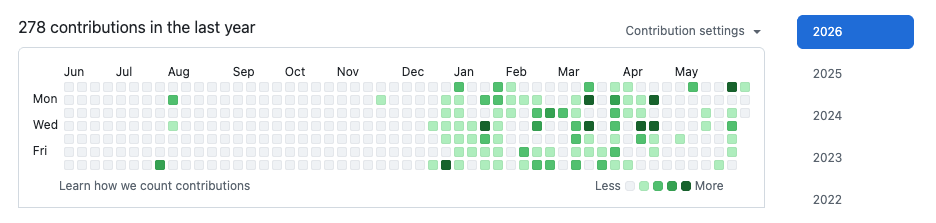
Nine scheduled GitHub Actions keep my second brain clean, current and well linked, and keep Joey's model choices from going stale. They live in GitHub and plain Python, not inside any one harness's automation feature, because I don't want to be locked in to one AI lab.
Product at Mitie, strategy at JLL
London · Jan 2024 to present
Product Manager
The UK's largest facilities management provider (£5.6bn FY26 revenue) and a leader in tech-enabled service delivery. I joined a brand-new product team as its second hire, building internal products for Mitie's two largest service lines, Cleaning and Security.
Impact
Vancouver · May 2021 to Nov 2023
Corporate Strategy Analyst
JLL's global technology division, building software, data and services for commercial real estate across JLL's end-to-end real estate value chain. In Corporate Strategy I worked on PropTech expansion (sustainability tech, HaaS, underwriting tech) alongside JLL experts in Australia, the US, Germany and Japan.
Impact
Industries, expertise and the stack behind the work
Industries
Functional expertise
How I ship
Tech & tools
The challenges I mentioned up top
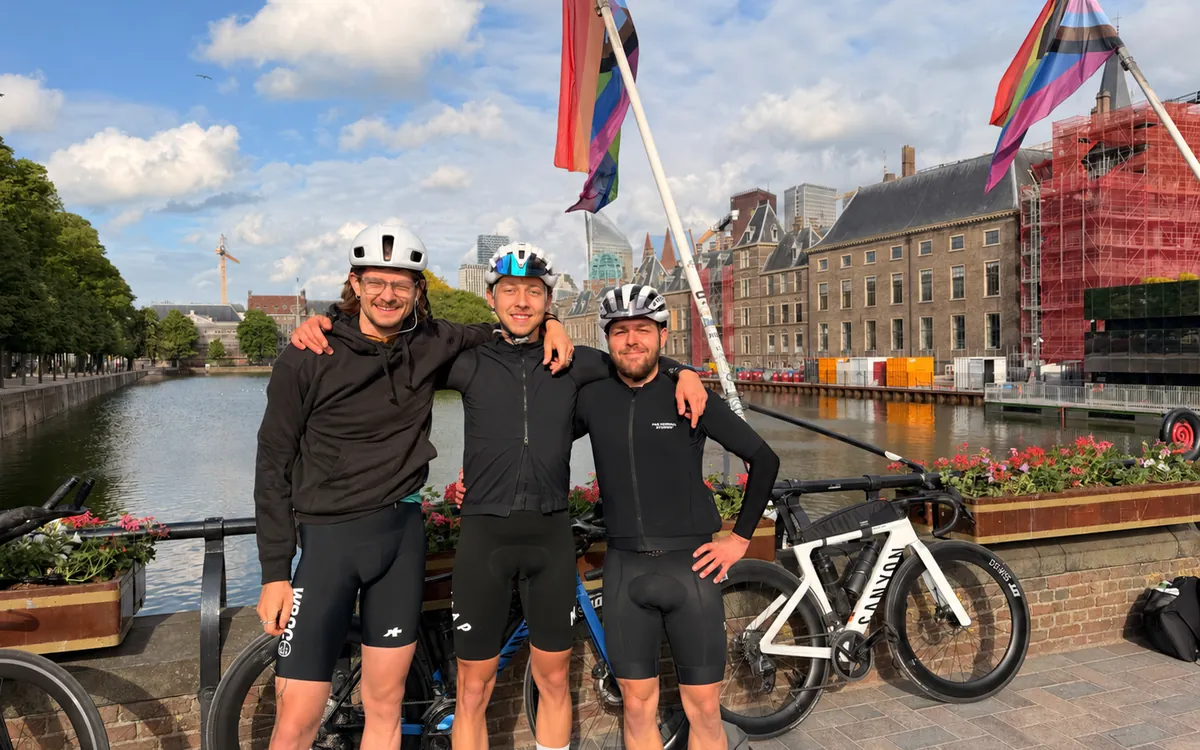
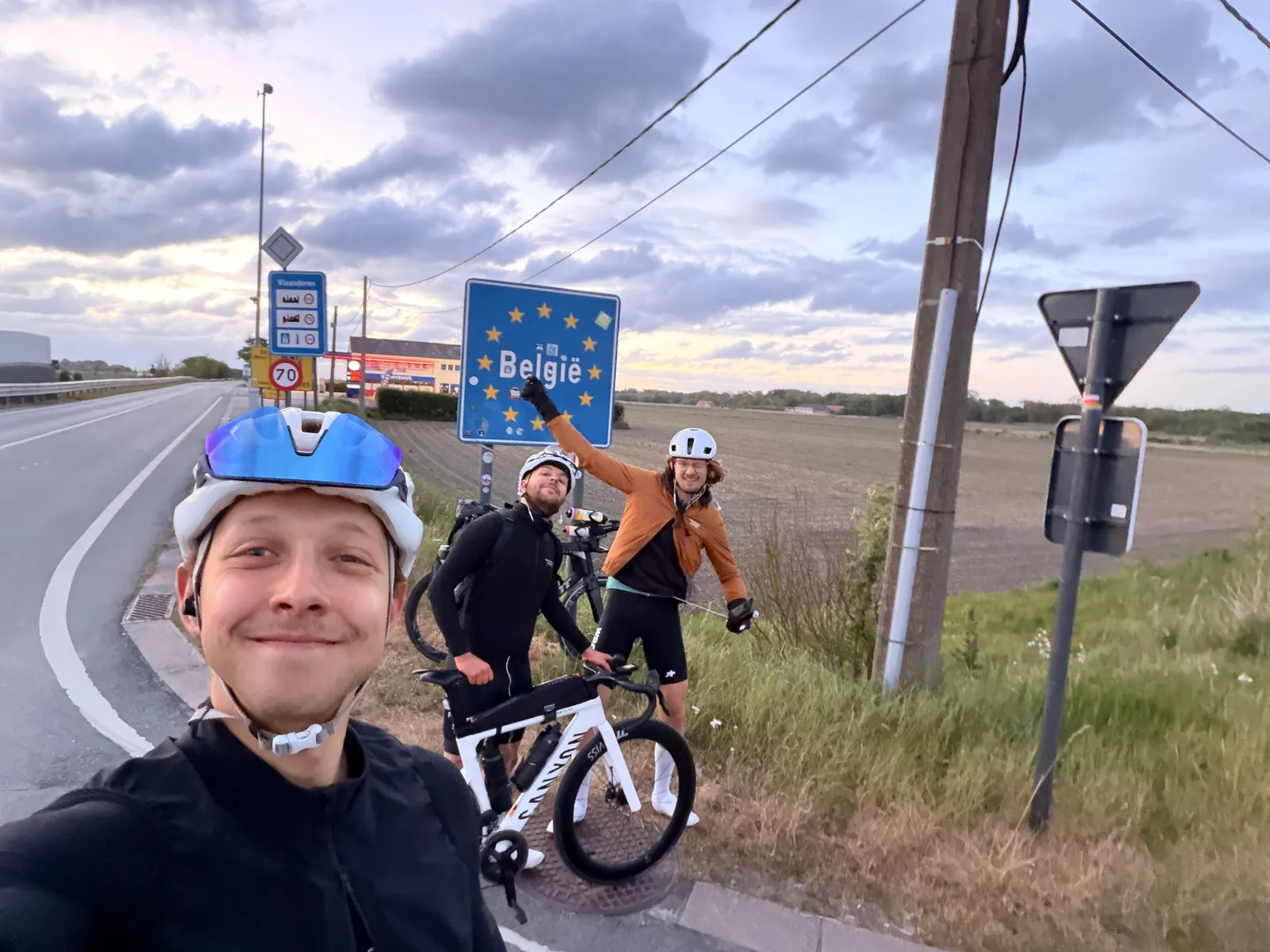
London to The Hague · 4 countries
4 countries, 2 best mates, and a cumulative 0 hours of sleep. Wouldn't do it any different.

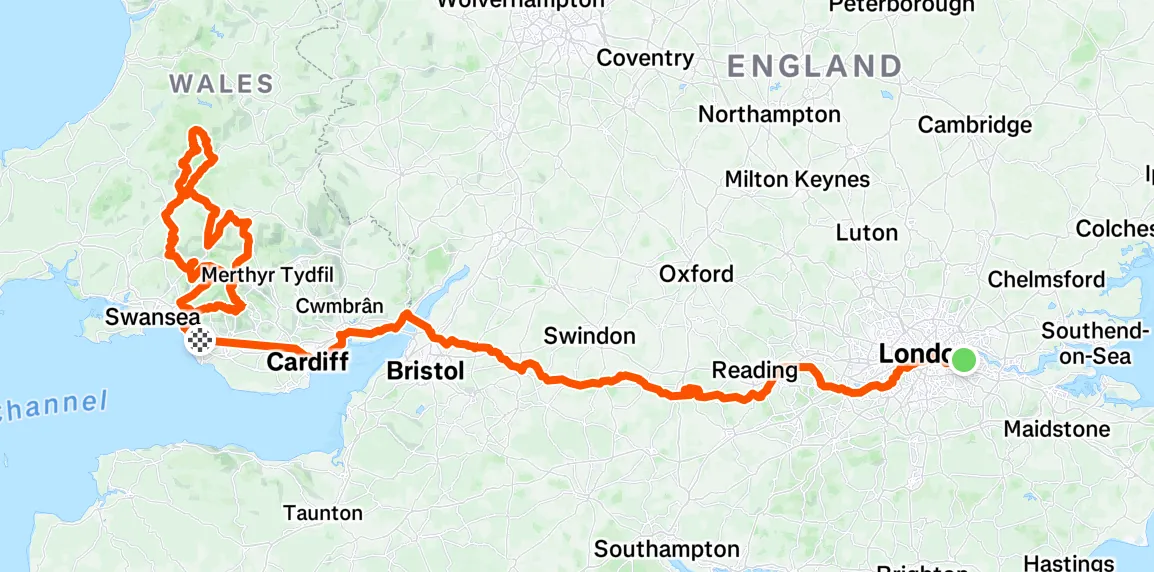
Chase the Sun + Dragon Devil · London to Wales
Two flats, a dead phone and mild hypothermia in a Welsh storm. DNF at km 255. The real test was staying calm and finding a way out.

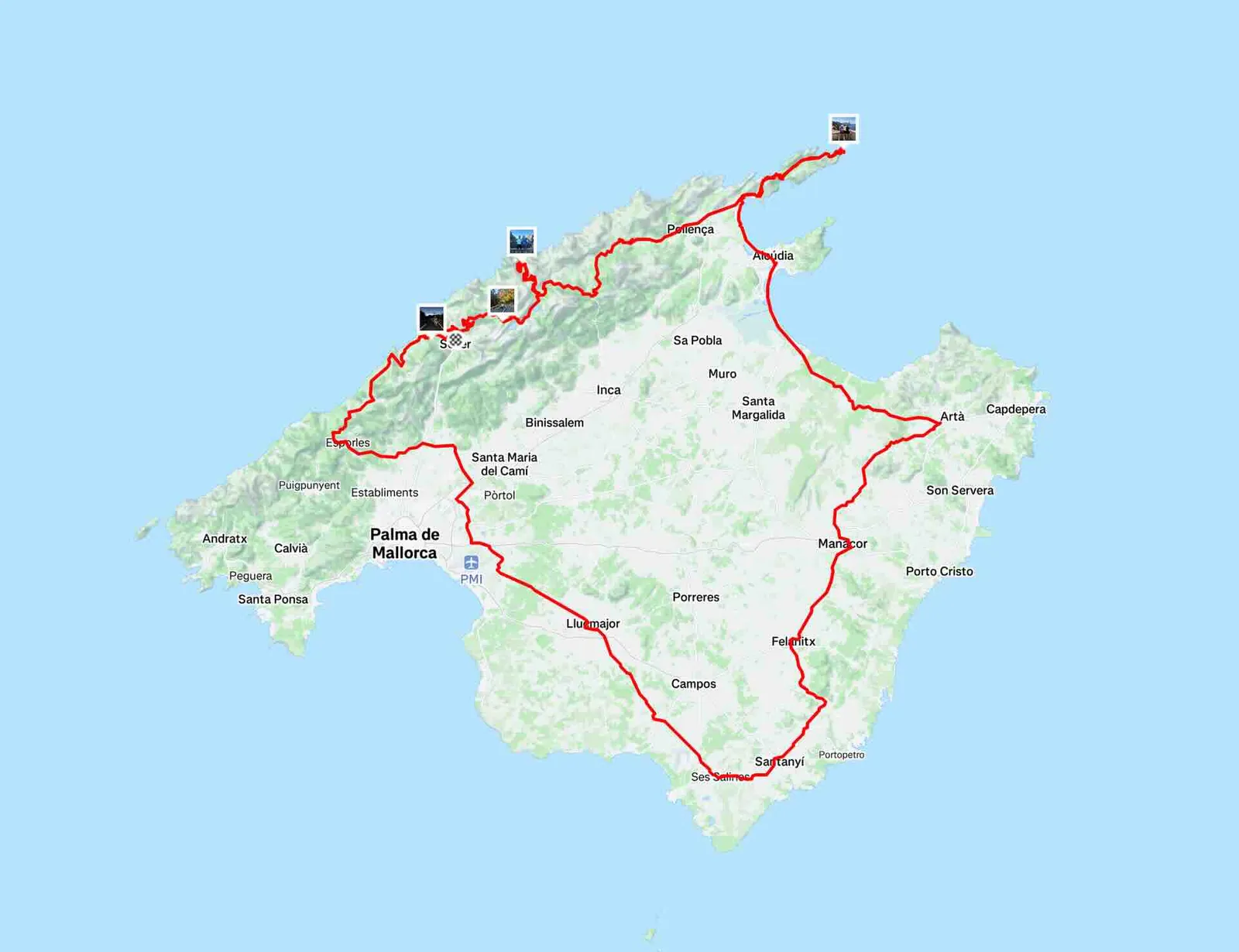
Mallorca 312 + Sa Calobra
The last day of a week of riding. A 5:30am start under the stars, a seized lower back in the heat, and Sa Calobra to ourselves at sunset.
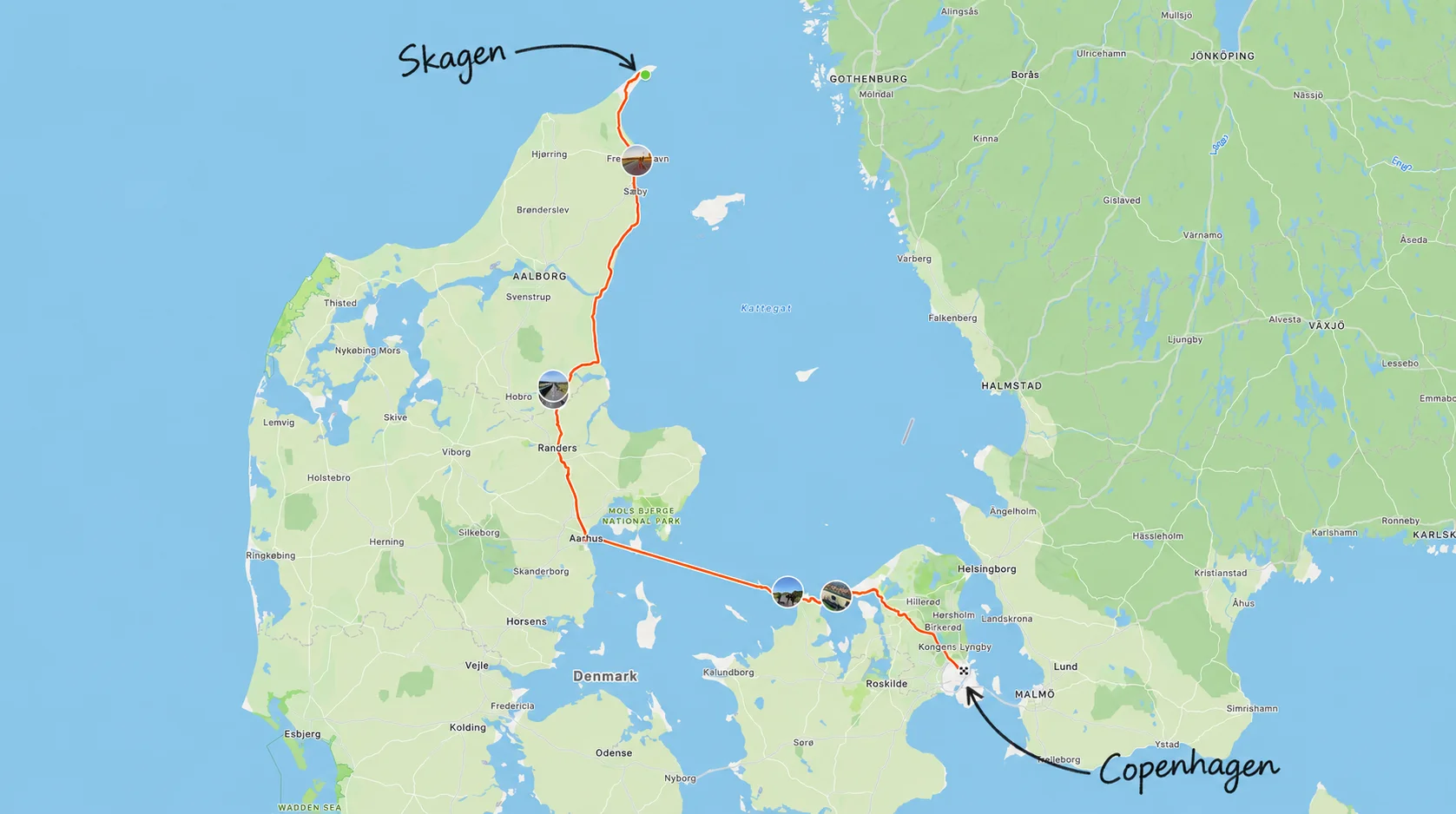
Skagen to Copenhagen · Denmark
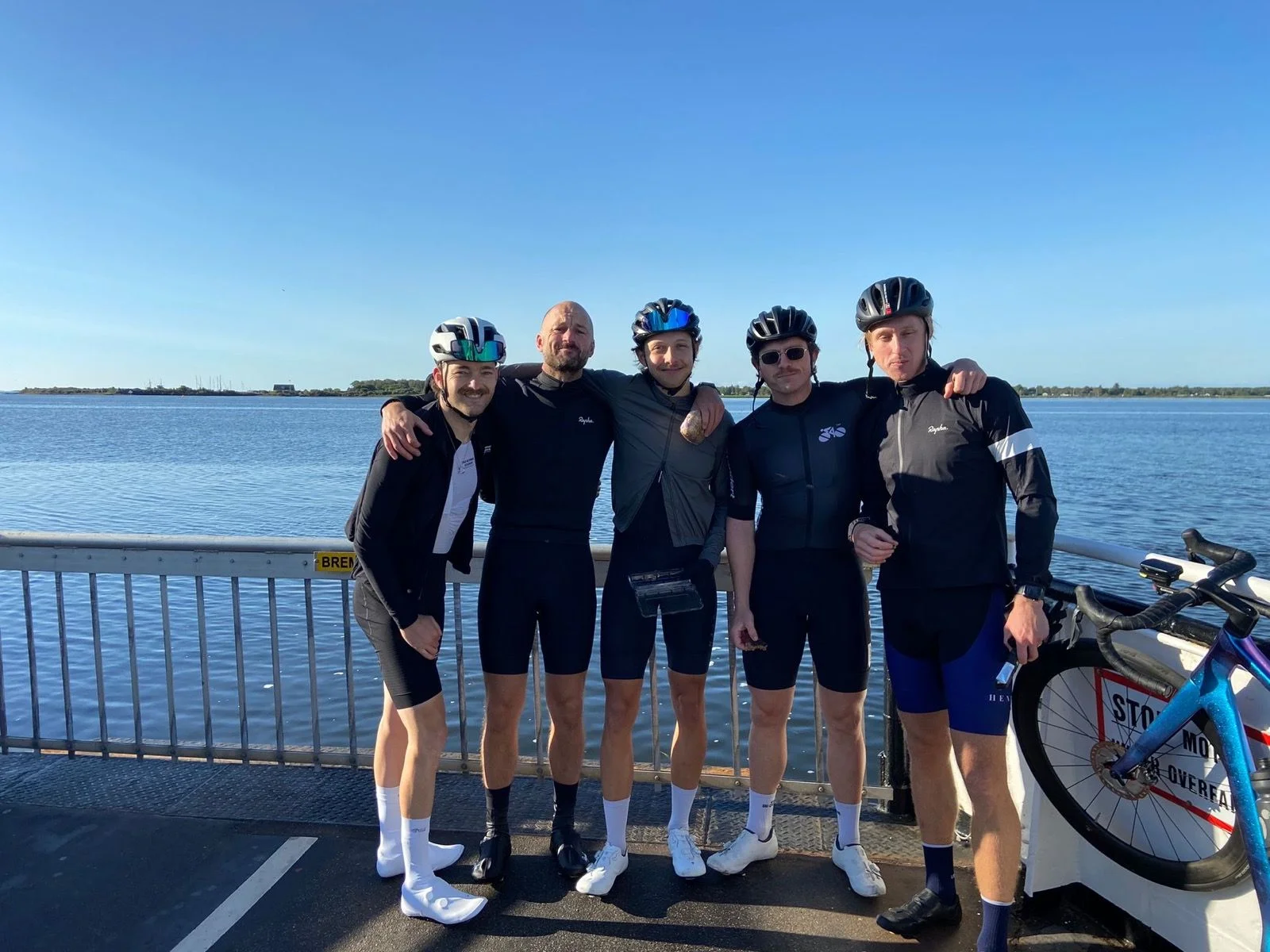
When your best friends have one last-minute spot on a trip to bike across Denmark, and it leaves in two days, you can't say no.
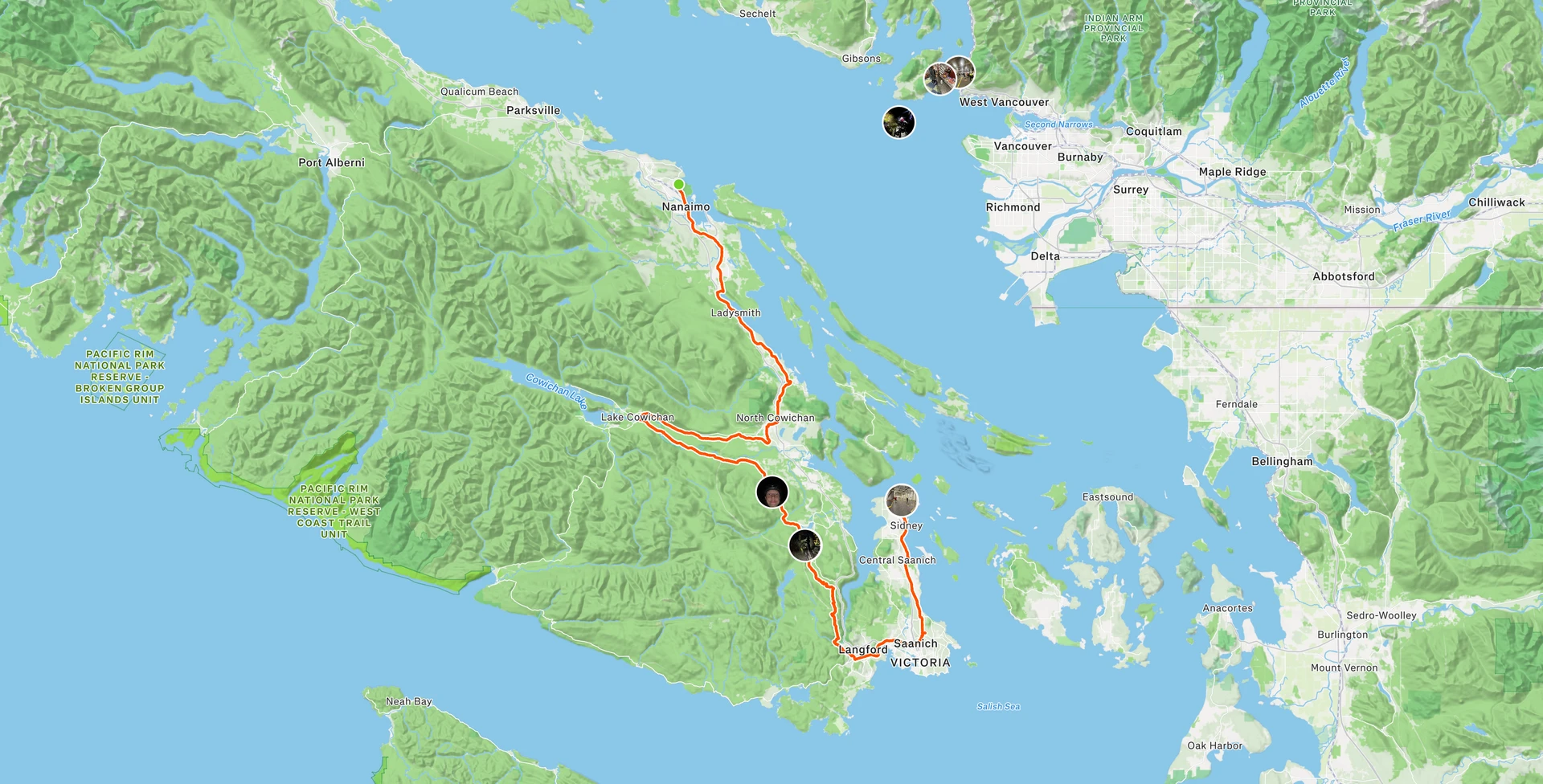
Nanaimo to Swartz Bay · Vancouver Island
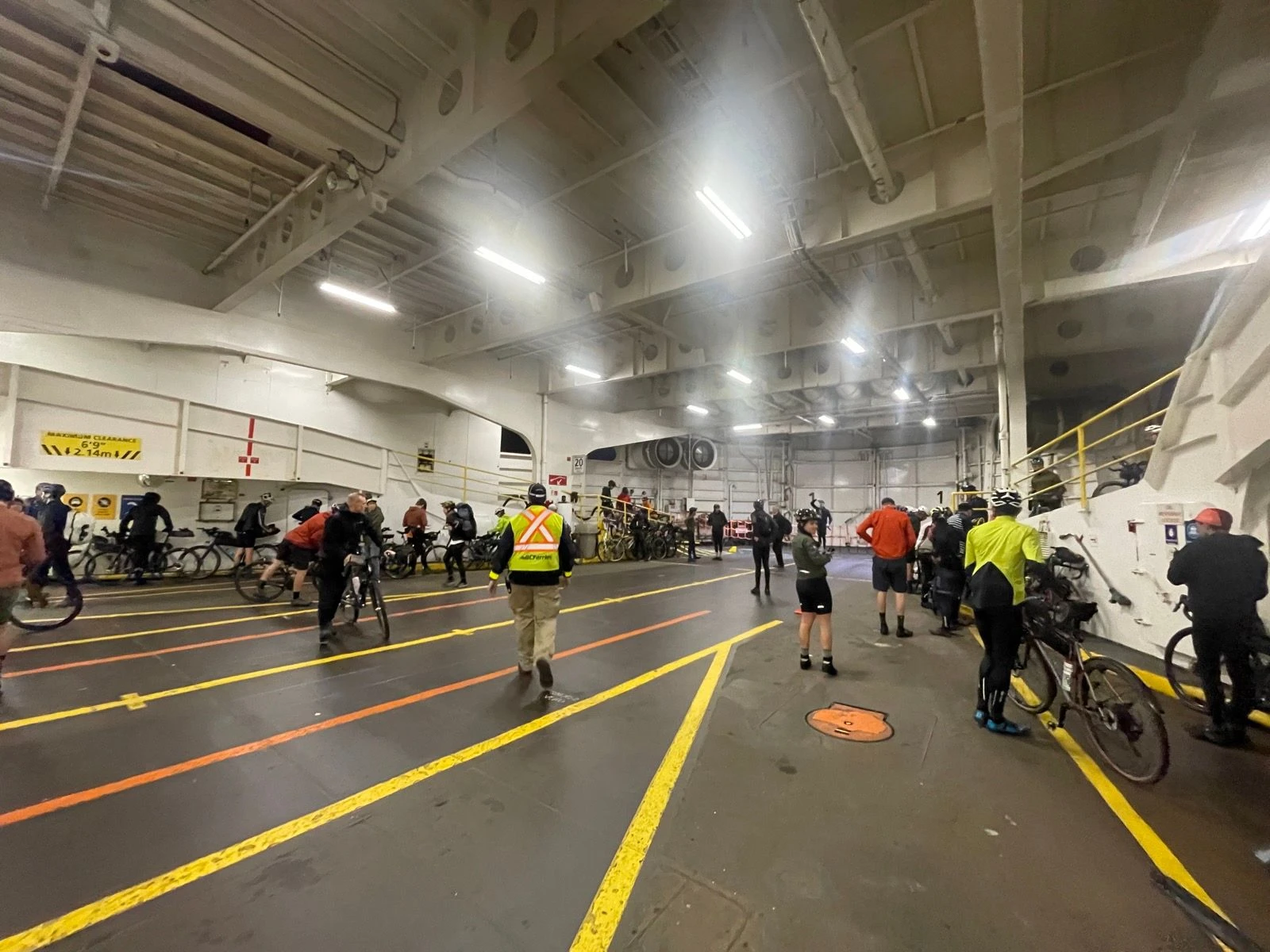
Pouring rain, 6 degrees, and 205km of gravel through pitch-black forests. Would I do it again? If you pay me a lot of money. Do I regret it? Nope.

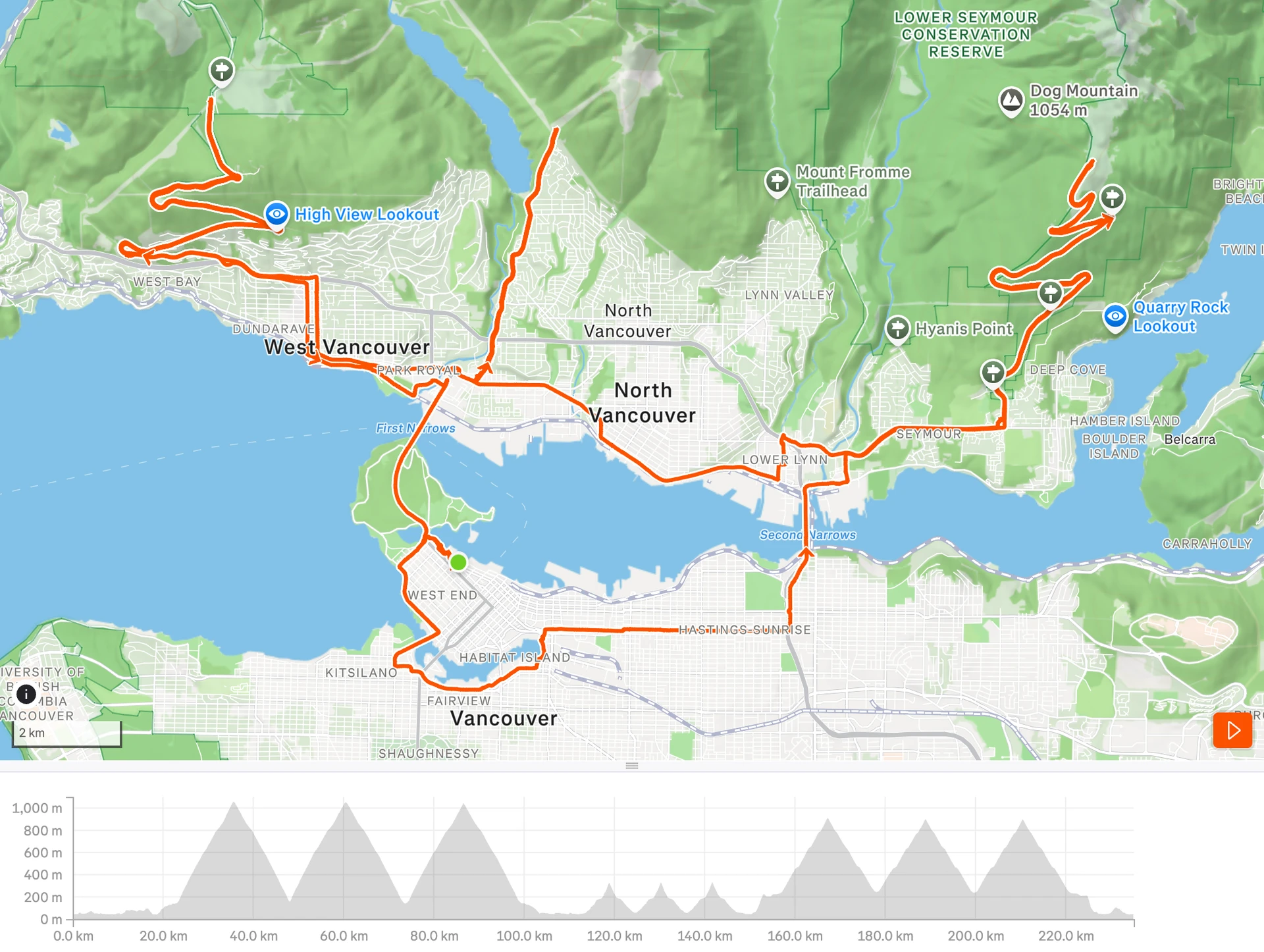
Vancouver · Seymour, Grouse & Cypress
Three mountains, three times each, and one friend still willing to join me. It was really really really hard. I’m smiling thinking about it.